To stop sugar cravings, eat regular meals with protein and fiber, sleep enough, keep sweets out of easy reach and have a plan for the moment a craving hits, such as a short walk, a glass of water or a piece of fruit. Cravings usually fade within minutes. The American Heart Association suggests limiting added sugar to about 25 grams a day for women and 36 grams for men [1].
Why do I crave sugar?
Sugar cravings are common and have several everyday causes. Sweet foods are quickly rewarding, so the brain learns to link them with comfort, celebration or a quick energy boost. Over time, habits form: dessert after dinner, a biscuit with coffee or a snack in the mid-afternoon slump. The craving often appears at those times out of habit rather than hunger.
Noticing when cravings usually show up is the first step to changing them, because the pattern tells you exactly where to plan an alternative. A few days of jotting down when and where cravings appear is usually enough to see it.
Physical and emotional factors play a role too. Long gaps between meals, low-protein breakfasts and poor sleep can all make sweet foods more tempting. In a study by Stephanie Greer, Andrea Goldstein and Matthew Walker, sleep deprivation increased people's desire for high-calorie foods and changed activity in brain regions linked to appetite and decision making [2].
Stress, boredom and tiredness are also common triggers. In those moments, sugar can feel like a quick way to change how you feel, which is why addressing the underlying need, such as rest or a break, often works better than resisting the craving. Asking yourself what you actually need in that moment is a simple way to start.
- Habits linked to certain times or activities.
- Long gaps between meals or skipped breakfast.
- Too little sleep.
- Stress, boredom or low mood.
- Sweet foods kept within easy reach.
- Advertising and social settings.
How much added sugar is too much?
Health organizations recommend limiting added sugars, the sugars added to foods and drinks during processing or preparation. The American Heart Association suggests no more than about 25 grams, or six teaspoons, a day for most women and about 36 grams, or nine teaspoons, for most men [1]. The Dietary Guidelines for Americans recommend keeping added sugars below 10 percent of daily calories, which is about 50 grams on a 2,000-calorie diet [3].
The World Health Organization recommends limiting free sugars, which include added sugars and sugars in honey, syrups and fruit juice, to less than 10 percent of daily energy and suggests that below 5 percent may bring further benefits [4]. Sugars naturally present in whole fruit, vegetables and plain milk are not counted as added or free sugars, so there is no need to avoid whole fruit when cutting back.
To put this in context, a single can of regular soda often contains around 35 to 40 grams of sugar, which is already at or above the daily limit suggested for most adults. Checking labels is the most reliable way to see how much added sugar you are eating. Many packaged foods list added sugars separately on the nutrition panel, which makes comparison much easier.
How to stop sugar cravings in the moment
When a craving hits, the most useful thing to know is that it will usually pass. Cravings tend to rise, peak and fade within about 15 to 20 minutes if you do not act on them. Having a plan for those minutes makes it much easier to wait it out. Deciding your plan in advance, for example a walk around the block, removes the need to negotiate with yourself while the craving is strongest.
Movement is one of the simplest options. In a study by Adrian Taylor and Ann Oliver, a 15-minute brisk walk reduced chocolate cravings in regular chocolate eaters compared with resting [5].
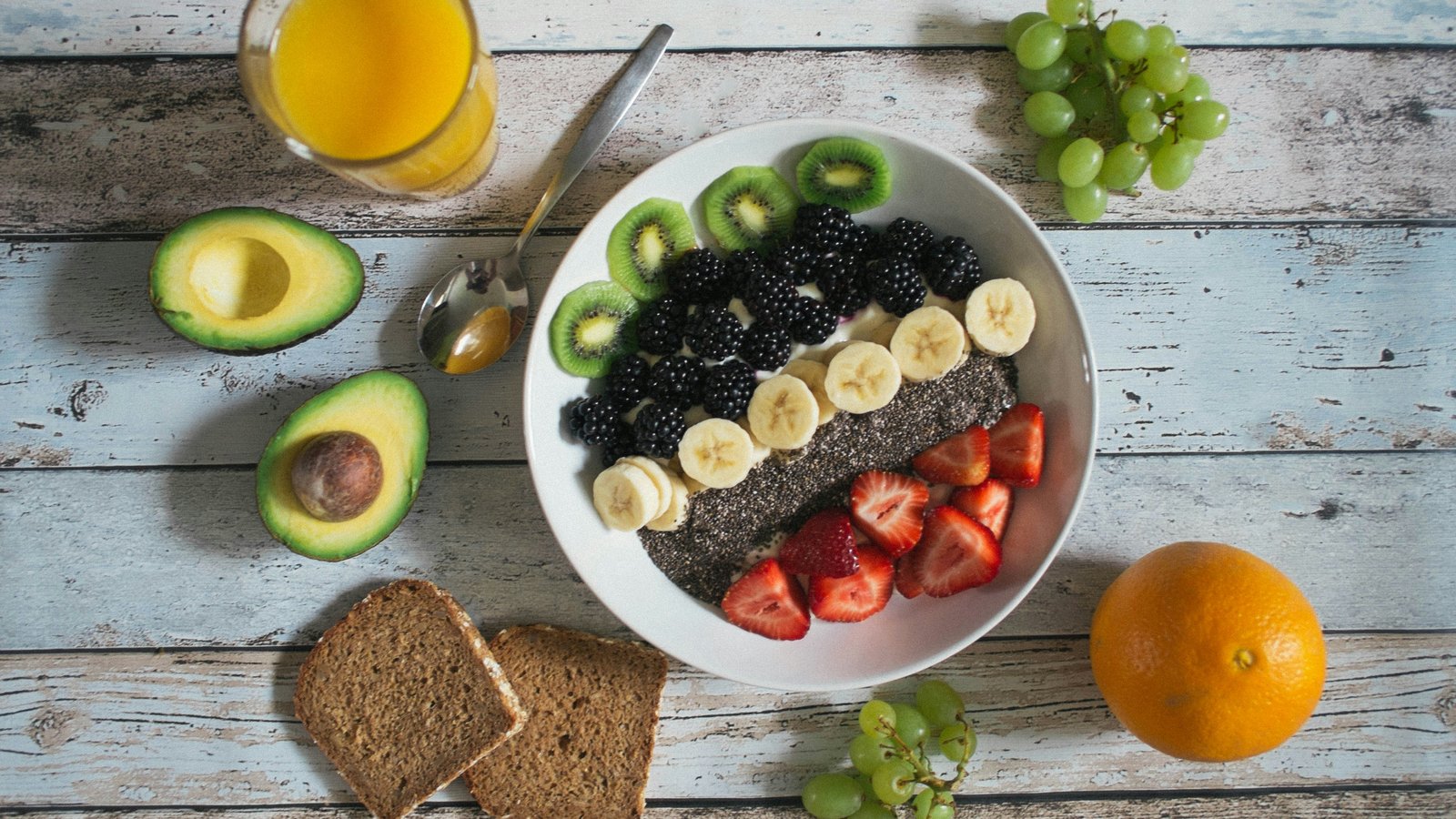
Drinking water, brushing your teeth, chewing gum or changing your activity can also help, because they interrupt the automatic link between the craving and eating. If you are genuinely hungry, a snack with protein and fiber, such as yogurt with berries, nuts or an apple with peanut butter, is more satisfying than sweets.
- Wait 15 minutes and do something else.
- Take a short brisk walk.
- Drink a glass of water.
- Brush your teeth or chew sugar-free gum.
- Eat a protein-rich snack if you are hungry.
- Choose fruit if you still want something sweet.
Urge surfing
Urge surfing is a mindfulness technique for riding out cravings without giving in or fighting them. Notice the craving, observe where you feel it in your body and watch how it changes over a few minutes, like a wave that rises and falls. Many people find that simply observing a craving makes it less powerful. With practice, cravings start to feel like passing sensations rather than commands you must follow. The [Urge surfing](https://ultiself.com/habits/urge-surfing) habit can help you practice this skill.
How to cut back on sugar long term
Long-term change comes from adjusting your daily routine so cravings are less frequent and less intense. Eating regular meals with protein and fiber keeps hunger steady. A protein-rich breakfast is especially helpful for people whose cravings start mid-morning, because it keeps hunger steadier until lunch. Our guide on [high protein breakfast ideas](https://ultiself.com/blog/high-protein-breakfast) has simple options.
Cut back gradually rather than all at once, because sudden strict rules often lead to a rebound. A slower pace gives your taste buds and routines time to adjust, so the new way of eating feels normal rather than restrictive.
Reducing sugar in coffee or tea step by step, switching sugary drinks to water or sparkling water and choosing plain yogurt with fruit instead of flavored yogurt can make a big difference without feeling extreme. Many people find that their taste for very sweet foods decreases after a few weeks of lower sugar intake, and foods they once enjoyed start to taste overly sweet.
- Eat regular meals with protein and fiber.
- Swap sugary drinks for water, sparkling water or unsweetened tea.
- Reduce sugar in drinks step by step.
- Keep sweets out of sight and buy smaller packs.
- Plan a satisfying dessert occasionally instead of grazing.
- Protect your sleep and manage stress.
Change your environment
Your surroundings strongly shape what you eat. Keeping sweets in a cupboard rather than on the counter, not buying large packs and having fruit or nuts visible make healthier choices easier without relying on willpower. At work, keeping your own snacks can reduce the pull of shared treats.
Sugar in drinks
Drinks are one of the largest sources of added sugar for many people, and liquid sugar is easy to consume without feeling full. Regular soda, sweetened coffee drinks, energy drinks, sweetened teas and many fruit drinks can each contain a full day's suggested limit. Fruit juice counts as free sugar under World Health Organization guidance, even when it has no added sugar [4].
Switching drinks is often the quickest way to cut sugar significantly. Water, sparkling water with a slice of lemon or lime, unsweetened tea and coffee with less or no sugar are simple alternatives. If plain water feels boring, our guide on [how to drink more water](https://ultiself.com/blog/how-to-drink-more-water) has practical ideas.
What to eat instead of sugar
When you want something sweet, choosing foods that combine natural sweetness with fiber or protein is usually more satisfying than sweets or pastries. Fiber and protein slow digestion, which helps you feel full for longer and reduces the rebound hunger that often follows a sugary snack.
It also helps to plan enjoyable alternatives rather than relying on willpower alone. Keeping a few go-to options at home and at work means you have something ready when a craving appears. Occasionally enjoying a small portion of a favorite dessert, eaten slowly and without distraction, is also part of a balanced approach.
- Fresh fruit, such as berries, apples, pears or oranges.
- Plain yogurt with fruit and a sprinkle of nuts.
- An apple or banana with peanut butter.
- A handful of nuts with a few pieces of dark chocolate.
- Frozen grapes or banana slices.
- Dates stuffed with nut butter, in small amounts.
How to stop sugar cravings step by step
Reducing sugar cravings is easier with a few supportive habits. Each step in this plan connects to a habit, so you can cut back gradually and track how your cravings change over time.
Start with regular meals and one swap, such as replacing sugary drinks with water. Once that feels normal, add the next step, so the change never feels like a sudden diet. Our guides on [how to eat healthier](https://ultiself.com/blog/how-to-cut-back-on-sugar) and [how to stop snacking](https://ultiself.com/blog/how-to-stop-snacking) offer related strategies.
| Step | Why it may help | Habit to practice |
|---|---|---|
| Reduce added sugar step by step | Helps your taste adjust gradually | [Minimize sugar consumption](https://ultiself.com/habits/minimize-sugar-consumption) |
| Choose healthy snacks | Keeps hunger steady between meals | [Healthy snack](https://ultiself.com/habits/healthy-snack) |
| Ride out cravings mindfully | Cravings often fade within minutes | [Urge surfing](https://ultiself.com/habits/urge-surfing) |
| Notice what triggers cravings | Reveals patterns you can change | [Journal cravings and identify triggers](https://ultiself.com/habits/journal-cravings-identify-triggers) |
| Drink water through the day | Replaces sugary drinks | [Hydrate](https://ultiself.com/habits/hydrate) |
| Keep a regular sleep schedule | Poor sleep increases cravings [2] | [Sleep between 6-8 hours per night](https://ultiself.com/habits/sleep-between-6-8-per-night) |
With Ultiself, you can track these habits along with your cravings and mood, which makes it easier to see which changes help you most. Many people notice that cravings drop on days with good sleep and regular meals, which is a strong reason to protect those habits.
Common questions
How do I stop sugar cravings?
Eat regular meals with protein and fiber, sleep enough, keep sweets out of reach and have a plan for cravings, such as a short walk, water or a piece of fruit. Cravings often pass within 15 to 20 minutes.
Why do I crave sugar so much?
Common causes include habits, long gaps between meals, poor sleep, stress, boredom and having sweets easily available.
How much added sugar per day is recommended?
The American Heart Association suggests about 25 grams a day for most women and 36 grams for most men. US guidelines recommend less than 10 percent of daily calories.
How long does it take to stop craving sugar?
Many people notice cravings and their taste for very sweet foods decrease after a few weeks of eating less added sugar, though it varies from person to person.
What can I eat instead of sugar when I have a craving?
Try fruit, yogurt with berries, a handful of nuts or an apple with peanut butter. Protein and fiber make snacks more satisfying.
Sources
- Johnson RK, Appel LJ, Brands M, et al. Dietary sugars intake and cardiovascular health: a scientific statement from the American Heart Association. Circulation, 2009.
- Greer SM, Goldstein AN, Walker MP. The impact of sleep deprivation on food desire in the human brain. Nature Communications, 2013.
- U.S. Department of Agriculture and U.S. Department of Health and Human Services. Dietary Guidelines for Americans, 2020-2025.
- World Health Organization. Guideline: sugars intake for adults and children, 2015.
- Taylor AH, Oliver AJ. Acute effects of brisk walking on urges to eat chocolate, affect, and responses to a stressor and chocolate cue. Appetite, 2009.