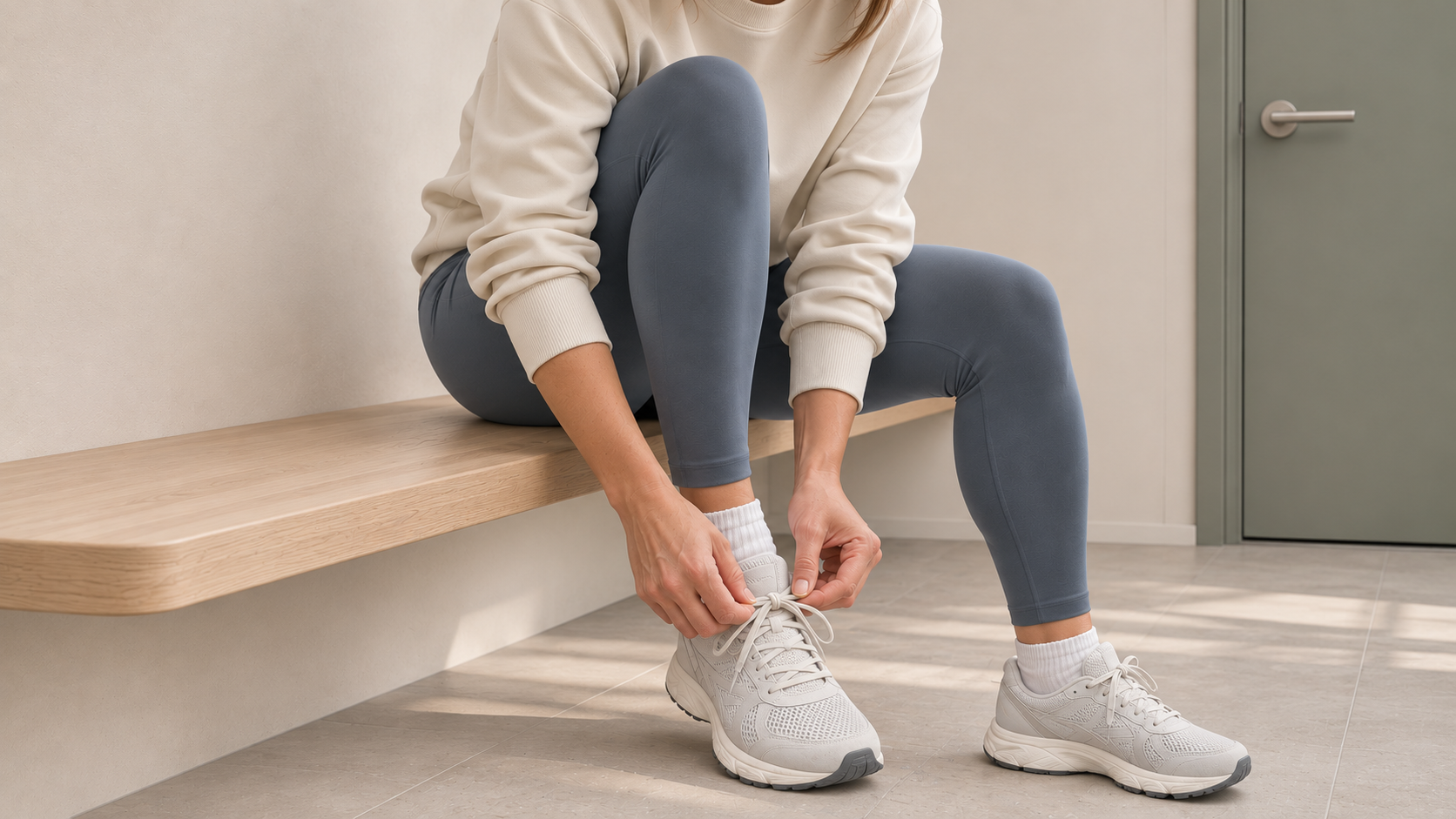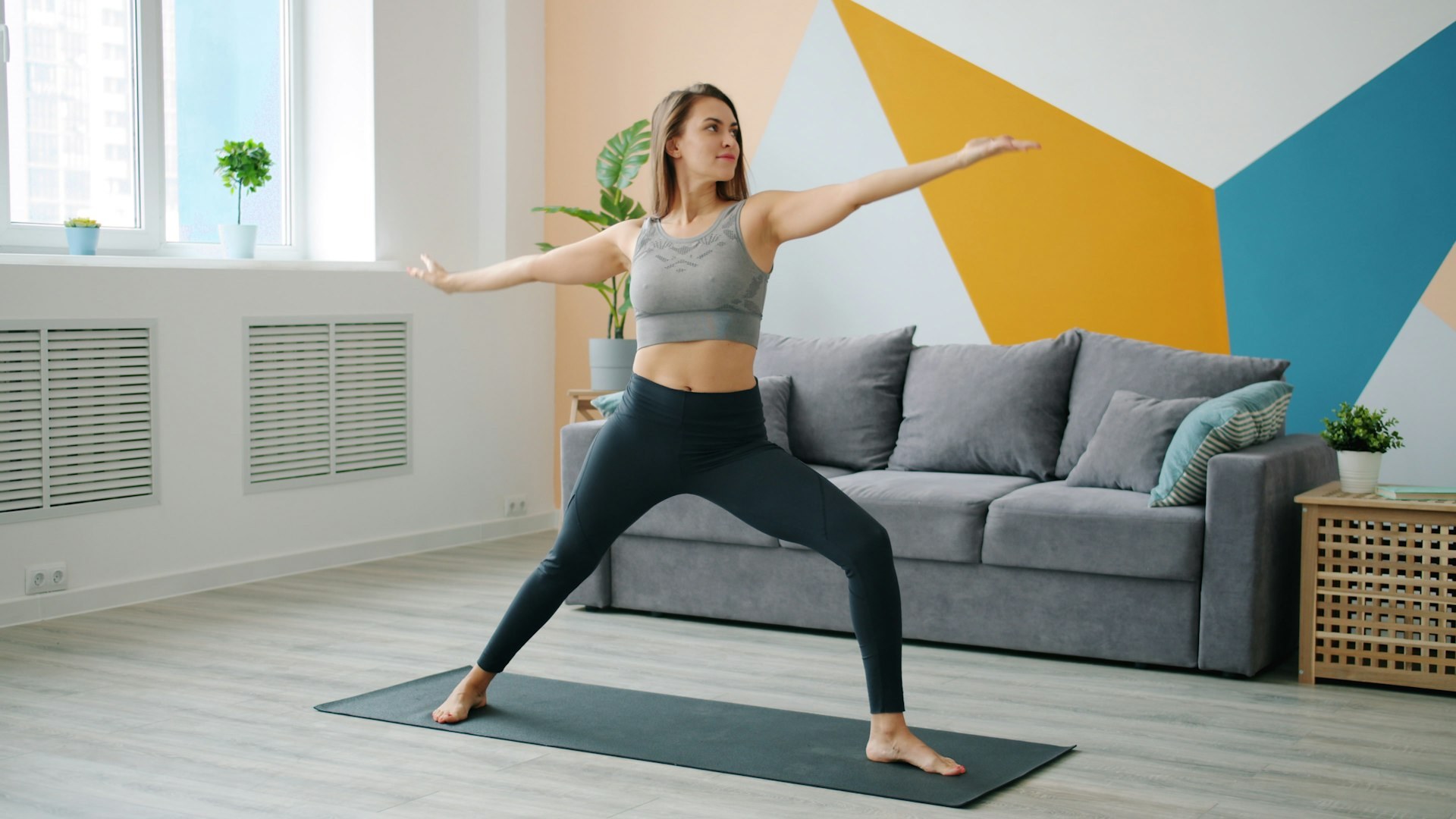
To start exercising, the WHO encourages adults to build up to 150 to 300 minutes of moderate activity a week, such as brisk walking, plus muscle-strengthening activities on two or more days, while noting that some activity is better than none. Starting gently, adding activity gradually and allowing time to recover may make a new routine easier to keep than an intense plan.
How much exercise adults need according to WHO guidelines
Questions about exercise often start with numbers: how many minutes, how many steps and how many workouts a week. Global guidelines give general ranges for adults, and research adds detail about walking and strength training. These figures can be a useful reference, but they describe targets for the general population rather than a starting point for everyone.
The sections below summarize what the World Health Organization recommends, what large studies have found about daily steps and muscle-strengthening activity, and how to judge whether an activity counts as moderate or vigorous. If you have a health condition, are pregnant or have not been active for a long time, a doctor can help you decide what is suitable.
The three types of activity in the guidelines
The World Health Organization recommends that adults do 150 to 300 minutes of moderate-intensity aerobic activity a week, or 75 to 150 minutes of vigorous activity, or a combination of both. It also recommends muscle-strengthening activities that involve all major muscle groups on two or more days a week [1].
The guidelines also highlight a point that matters for beginners: some physical activity is better than none, and all activity counts, including walking, cycling to work and active chores [1]. For adults aged 65 and older, they add activities that train balance and coordination on three or more days a week. The table summarizes these types with everyday examples.
| Type of activity | Everyday examples | WHO guidance for adults |
|---|---|---|
| Aerobic activity | Brisk walking, cycling, swimming, dancing | 150 to 300 minutes of moderate activity a week, or 75 to 150 minutes of vigorous activity [1] |
| Muscle strengthening | Bodyweight exercises, weights, resistance bands | On two or more days a week, involving all major muscle groups [1] |
| Balance and coordination | Yoga, tai chi, standing on one leg | Three or more days a week for adults aged 65 and older [1] |
| Less sitting | Short walks, standing breaks, stairs | Limit sedentary time and replace it with activity of any intensity [1] |
These ranges can look large if you are starting from very little. In practice, 150 minutes a week can be split into short sessions, such as about 20 minutes a day or 30 minutes on five days. Many people build up to this level over weeks or months rather than starting there.
What research links with daily steps and strength training
Step counts are a simple way to track walking. In a meta-analysis of 15 cohorts with about 47,000 adults, more daily steps were associated with a progressively lower risk of death, up to a level that varied by age. Risk levelled off at around 6,000 to 8,000 steps for adults aged 60 and older and 8,000 to 10,000 for younger adults [3].
A 2025 review of 57 studies found a similar pattern, with the curve for several health outcomes starting to flatten at around 5,000 to 7,000 steps a day [4]. A separate meta-analysis linked 30 to 60 minutes of muscle-strengthening activity a week with about 10 to 20 percent lower risk of early death, heart disease and cancer, independent of aerobic activity [5].
| Activity | What research found | Type of evidence |
|---|---|---|
| Daily steps | More steps linked with lower risk of death, levelling off at an age-dependent point [3] | Meta-analysis of 15 cohorts |
| Daily steps | Around 7,000 steps linked with lower risk across several health outcomes [4] | Systematic review and meta-analysis |
| Strength training | 30 to 60 minutes a week linked with 10 to 20 percent lower risk of several outcomes [5] | Meta-analysis of cohort studies |
These studies were observational, so they show associations rather than proof that steps or strength training caused the differences. People who move more may also differ in other ways. The findings still suggest that benefits may be linked with amounts of activity well below what is often promoted, which can make starting feel more realistic.
How to tell moderate from vigorous intensity
Guidelines describe activity as moderate or vigorous, and the difference depends on your own fitness. The same walk can feel easy for one person and demanding for another. A common way to judge effort is a scale from 0 to 10, where moderate activity sits at about 5 or 6 and vigorous activity starts at about 7 or 8 [2].
The talk test is another simple method. During moderate activity, most people can talk but not sing. During vigorous activity, it becomes hard to say more than a few words without pausing for breath [2]. You do not need a heart rate monitor to use either method, which makes them practical for beginners.
| Intensity | Talk test | Examples |
|---|---|---|
| Light | You can talk and sing comfortably | Slow walking, light stretching, gentle chores |
| Moderate | You can talk but not sing [2] | Brisk walking, cycling on flat ground, water aerobics [2] |
| Vigorous | You can say only a few words at a time [2] | Running, swimming laps, jumping rope [2] |
For most beginners, starting at a light to moderate level can feel more comfortable and leaves energy for the next session. Effort can rise gradually as activities become familiar. If any activity causes chest pain, dizziness or unusual shortness of breath, it is important to stop and seek medical advice.
How to start exercising: a beginner plan
A first plan does not need to be complicated or long. It can combine three things: more walking, a little strength training and one activity you enjoy enough to repeat. Each can start small and grow as your body and schedule adapt. The goal of the first weeks is to make exercise a familiar part of the week rather than to reach a particular level.
Choose one part to start with and keep it for a few weeks before adding the next. The table shows how each step connects with a habit you can practice in your daily routine, so that the change becomes something you do regularly rather than a single effort you need to remember.
| Step | What it changes | Habit to practice |
|---|---|---|
| Walk more each day | More everyday movement | [Walk outside](https://ultiself.com/habits/walk-outside) |
| Track your steps | A simple way to see progress | [Tracking 10,000 steps per day](https://ultiself.com/habits/tracking-10000-steps-per-day) |
| Add strength training | Muscle-strengthening on two days a week | [Weight training](https://ultiself.com/habits/weight-training) |
| Find an activity you enjoy | More reasons to return | [Exercise](https://ultiself.com/habits/exercise) |
| Stretch and move gently | More comfort and mobility | [Stretching](https://ultiself.com/habits/stretching) |
Start with walking and everyday movement
Walking is one of the easiest ways to begin, because it needs no equipment or special skills and fits into ordinary days. A short walk after a meal, getting off the bus one stop early or taking the stairs can add movement without a separate workout. According to WHO guidance, all of this activity counts [1].
If you are not sure how much you walk now, a phone or watch can show your current daily steps. Rather than aiming straight for 10,000, you might add a small amount, such as 500 to 1,000 steps a day, and keep it for a week or two. Research suggests that even modest increases from a low starting point are associated with health benefits [4].
| Moment in the day | Easy way to add movement |
|---|---|
| Morning | A 10-minute walk before work or school |
| During work | A short walk or standing break every hour |
| After lunch or dinner | A relaxed walk around the block |
| Commute | Walk part of the way or take the stairs |
| Evening | A walk with a friend, partner or dog |
The [Walk outside](https://ultiself.com/habits/walk-outside) habit helps you plan regular walks, and the [Walk after dinner](https://ultiself.com/habits/walk-after-dinner) habit links walking to a fixed moment in the evening. If numbers motivate you, the [Tracking 10,000 steps per day](https://ultiself.com/habits/tracking-10000-steps-per-day) habit lets you follow your daily count and adjust the goal to your own level.
Add strength training two days a week
Strength training is often the part beginners skip, yet guidelines recommend it for all adults on two or more days a week [1]. It does not need a gym. Bodyweight exercises such as squats, wall push-ups and glute bridges can be done at home, and resistance bands or light weights can be added later.
A simple session might include a few exercises that cover the main muscle groups, with rest between sets. Starting with light effort and learning the movement often matters more than the amount of weight. If an exercise causes sharp pain or you are unsure about technique, a qualified trainer or physiotherapist can help.
| Muscle group | Beginner exercise | Easier version |
|---|---|---|
| Legs and hips | Squats to a chair | Sit down and stand up from a chair |
| Chest and arms | Wall push-ups | Push-ups against a kitchen counter |
| Back | Band rows | Rows with a towel or light bag |
| Core | Plank on knees | Dead bug on the floor |
| Glutes | Glute bridges | Smaller range of movement |
Research has linked 30 to 60 minutes of strength training a week with lower risk of several health outcomes [5], which can fit into two short sessions. The [Weight training](https://ultiself.com/habits/weight-training) habit helps you keep these sessions in your routine, and you can start with bodyweight exercises before adding equipment.
Choose an activity you enjoy enough to repeat
Enjoyment may matter more than the type of exercise. In a study of 111 new gym members, exercise that was simple, enjoyable and done in a consistent context was linked with stronger habit formation [6]. A form of exercise you like is easier to return to on days when motivation is low.
It can help to try a few activities in the first weeks and notice which ones you look forward to. Some people prefer social settings such as classes or team sports, while others like solo activities with music or podcasts. The table compares common options for beginners.
| Activity | Why beginners choose it | Related habit |
|---|---|---|
| Cycling | Gentle on joints and easy to use for transport | [Cycling](https://ultiself.com/habits/cycling) |
| Swimming | Works the whole body with low impact | [Swim](https://ultiself.com/habits/swim) |
| Yoga | Combines movement, flexibility and breathing | [Yoga](https://ultiself.com/habits/yoga) |
| Pilates | Focuses on core strength and control | [Pilates](https://ultiself.com/habits/pilates) |
| Running | Needs little equipment and can start with walk-run intervals | [Running](https://ultiself.com/habits/running) |
- Try each new activity two or three times before deciding.
- Notice how you feel afterward, not only during the session.
- Choose a time and place that are easy to reach.
- Invite a friend if company makes it easier to show up.
The [Exercise](https://ultiself.com/habits/exercise) habit can serve as a general reminder to move each day, whichever activity you choose. If you prefer something calmer, [Yoga](https://ultiself.com/habits/yoga) and [Stretching](https://ultiself.com/habits/stretching) can be gentle ways to begin, while [Running](https://ultiself.com/habits/running) and [HIIT](https://ultiself.com/habits/hiit-training) may suit people who already have some fitness base.
An example of the first four weeks
The plan below is only an example of how activity can build gradually over a month. It is not a prescription, and the right pace depends on your health, fitness and schedule. Some people repeat the first week several times before moving on, which is a reasonable choice.
Each week adds a little rather than doubling the amount. Rest days are part of the plan, and light walking on those days is usually fine for most people. If you feel unusually tired or sore, staying at the same level for longer can be more sustainable than pushing ahead.
- Start each session with a few minutes of easy movement as a warm-up.
- Keep strength sessions on days that are not back to back.
- Write down what you did so you can compare weeks.
- Repeat a week if it felt too hard.
| Week | Aerobic activity | Strength training | Recovery |
|---|---|---|---|
| 1 | Three 10-minute walks | One short bodyweight session | Gentle stretching after walks |
| 2 | Three or four 15-minute walks | One or two short sessions | One full rest day |
| 3 | Four 20-minute walks or rides | Two short sessions | Stretching or yoga once a week |
| 4 | Four or five 20 to 30-minute sessions | Two sessions with an extra set | Rest days between strength sessions |
By the end of such a month, some people reach the lower end of the WHO range of 150 minutes a week, while others need longer. Both are normal. The next section covers how to recover between sessions and keep exercising over time.
How to recover between workouts and keep exercising
Progress in fitness depends on the balance between activity and rest. Exercise places a load on muscles, joints and energy systems, and rest gives the body time to adapt. Without enough recovery, people may feel constantly tired or sore, which can make it harder to keep going.
Recovery does not need expensive tools. Sleep, rest days, gentle movement and enough fluids form its base, and techniques such as massage or foam rolling may add to them for some people. The sections below cover muscle soreness, recovery techniques, building a lasting exercise habit and when to talk to a doctor.
Rest days and muscle soreness
Muscle soreness that appears a day or two after a new or harder workout is common and is known as delayed onset muscle soreness. It usually feels like stiffness or tenderness in the muscles that worked and tends to ease over a few days. Starting gently and increasing effort gradually may reduce how strong it feels.
Pain is different from ordinary soreness. Sharp pain, pain in a joint, swelling or pain that gets worse over time are reasons to stop the activity and seek advice from a doctor or physiotherapist. The table compares common signs.
| Usually ordinary soreness | Reasons to stop and seek advice |
|---|---|
| Dull ache or stiffness in worked muscles | Sharp or stabbing pain |
| Appears one or two days after exercise | Pain during a specific movement or in a joint |
| Eases with gentle movement | Swelling, bruising or loss of movement |
| Fades over a few days | Pain that gets worse or does not improve |
Rest days give muscles time to recover, especially after strength training. Many beginners leave at least one day between strength sessions for the same muscle group. A rest day does not have to mean no movement at all, and gentle walking or stretching can feel comfortable for many people.
- A relaxed walk or easy bike ride
- A short stretching or yoga session
- Gentle mobility work for the hips and shoulders
- A calm evening and an earlier bedtime
What research says about recovery techniques
Many recovery methods are promoted, but the evidence for them varies. A meta-analysis of around 100 studies found that massage was the most effective of the techniques studied for reducing muscle soreness and perceived fatigue, while compression garments and water immersion also showed some benefit [7]. Most of these studies involved athletes or trained people.
Foam rolling is popular as well. A meta-analysis of 21 studies concluded that its effects on performance and recovery were rather small and partly negligible, although it may slightly reduce muscle pain and increase flexibility [8]. The authors suggested it may be more useful as part of a warm-up than as a recovery tool.
| Technique | What research found | Practical note |
|---|---|---|
| Massage | Most effective technique studied for soreness and fatigue [7] | Can be done by a therapist or with self-massage tools |
| Foam rolling | Small effects on pain and flexibility [8] | May suit warm-ups more than recovery |
| Active recovery | Some reduction in soreness [7] | Gentle walking or cycling on rest days |
| Stretching | No clear effect on soreness in the analysis [7] | May still help comfort and mobility |
| Sleep and fluids | Part of general recovery | Regular sleep and enough water through the day |
The [Use foam roller](https://ultiself.com/habits/use-foam-roller) habit can be a short addition before or after exercise, and the [Stretching](https://ultiself.com/habits/stretching) habit supports mobility. Sleep and hydration are simple foundations, and the [Track your sleep](https://ultiself.com/habits/track-your-sleep) and [Hydrate](https://ultiself.com/habits/hydrate) habits help you notice them during active weeks.
How to turn exercise into a habit
Knowing how to exercise is often easier than doing it regularly. In the study of new gym members, people who exercised at least four times a week for about six weeks were more likely to develop an exercise habit [6]. A broader study found that new daily habits took a median of 66 days to feel automatic, with large differences between people [9].
If-then plans can help by linking exercise to a specific situation. A meta-analysis of 94 tests found that such plans had a medium to large effect on reaching goals [10]. For exercise, a plan might be: if it is Monday after work, I go for a 20-minute walk. Our guide on [how long it takes to build a habit](https://ultiself.com/blog/how-long-does-it-take-to-build-a-habit) explains this process.
| Situation | If-then plan |
|---|---|
| After morning coffee | If I finish my coffee, I do five minutes of stretching |
| After work | If I get home from work, I change into sports clothes |
| Lunch break | If I finish lunch, I walk for 10 minutes |
| Weekend morning | If it is Saturday morning, I go for a bike ride |
| Bad weather | If it rains, I do a bodyweight session at home |
Missing a day is common and need not undo the progress made so far. Returning to the plan at the next opportunity matters more than a perfect record. You can track these habits in the Ultiself app, where each one sits in your daily routine and shows how consistent you have been over the week.
When to talk to a doctor before exercising
Most people can start with light activity such as walking. Some situations call for medical advice before a new exercise plan, especially if the plan includes vigorous activity. A doctor can help you choose activities and intensity that suit your health and can tell you which warning signs to watch for.
Medical advice is also important if symptoms appear during exercise. Chest pain, dizziness, fainting or unusual shortness of breath are reasons to stop immediately and seek medical help. The list shows common situations in which talking to a doctor first is a sensible step.
- You have a heart condition, high blood pressure, diabetes or another chronic condition.
- You have had chest pain, dizziness or fainting, at rest or during activity.
- You are pregnant or have recently given birth.
- You have a joint, back or bone problem or are recovering from an injury.
- You take medication that may affect your heart rate or blood pressure.
The habits in this guide can sit alongside professional advice, and a doctor or physiotherapist can help you choose which ones fit your situation. They are not a substitute for personal medical guidance, especially when a health condition is involved.
Common questions
How should a beginner start exercising?
Many beginners start with short walks and one or two simple strength sessions a week, then add time gradually. The right starting point depends on your health and fitness, and a doctor can help if you have a health condition.
How much exercise do adults need each week?
The World Health Organization recommends 150 to 300 minutes of moderate activity or 75 to 150 minutes of vigorous activity a week, plus muscle-strengthening on two or more days. It also notes that some activity is better than none.
Do I need to walk 10,000 steps a day?
Research suggests that benefits may be linked with fewer steps, with risk levelling off at around 6,000 to 10,000 steps depending on age. Small increases from a low starting point are also associated with benefits.
Is it normal to feel sore after exercising?
Muscle soreness a day or two after a new or harder workout is common and usually eases within a few days. Sharp pain, joint pain or swelling are reasons to stop and seek medical advice.
How many rest days do I need?
This depends on your activity, fitness and how you feel. Many beginners leave at least one day between strength sessions for the same muscles and include light movement on rest days.
Sources
- World Health Organization. WHO guidelines on physical activity and sedentary behaviour, 2020, and Physical activity fact sheet.
- Centers for Disease Control and Prevention. How to measure physical activity intensity.
- Paluch AE, Bajpai S, Bassett DR, et al. Daily steps and all-cause mortality: a meta-analysis of 15 international cohorts. The Lancet Public Health, 2022.
- Ding D, et al. Daily steps and health outcomes in adults: a systematic review and dose-response meta-analysis. The Lancet Public Health, 2025.
- Momma H, Kawakami R, Honda T, Sawada SS. Muscle-strengthening activities are associated with lower risk and mortality in major non-communicable diseases: a systematic review and meta-analysis of cohort studies. British Journal of Sports Medicine, 2022.
- Kaushal N, Rhodes RE. Exercise habit formation in new gym members: a longitudinal study. Journal of Behavioral Medicine, 2015.
- Dupuy O, Douzi W, Theurot D, Bosquet L, Dugué B. An evidence-based approach for choosing post-exercise recovery techniques to reduce markers of muscle damage, soreness, fatigue, and inflammation: a systematic review with meta-analysis. Frontiers in Physiology, 2018.
- Wiewelhove T, Döweling A, Schneider C, et al. A meta-analysis of the effects of foam rolling on performance and recovery. Frontiers in Physiology, 2019.
- Lally P, van Jaarsveld CHM, Potts HWW, Wardle J. How are habits formed: modelling habit formation in the real world. European Journal of Social Psychology, 2010.
- Gollwitzer PM, Sheeran P. Implementation intentions and goal achievement: a meta-analysis of effects and processes. Advances in Experimental Social Psychology, 2006.