Self-discipline is the ability to do what you planned, even when you do not feel like it, and to resist distractions that pull you away from your goals. To be more disciplined, rely less on willpower and more on structure: remove temptations, build routines, make good choices easier, plan for obstacles and start with small commitments you can keep. Discipline grows through repeated small actions.
What is self-discipline?
Self-discipline is the ability to choose long-term goals over short-term impulses. It shows up when you study instead of scrolling, go for a walk when you would rather stay on the couch or stop at one episode instead of five. Psychologists often call this self-control, and it is linked with many positive outcomes, from better grades to healthier habits.
It is also something most people can strengthen with the right setup, rather than a gift that some have and others lack. The rest of this guide focuses on that setup, because it is the part you can change today.
Self-discipline is often imagined as constant resistance and strong willpower. Research suggests something different. People who appear highly disciplined often face fewer temptations in the first place, because they have arranged their lives and habits so that good choices happen more automatically [1]. Discipline, in practice, is as much about design as about effort.
Is willpower a limited resource?
A popular idea, known as ego depletion, suggests that willpower is like a muscle that gets tired with use, so resisting one temptation leaves you weaker against the next. Early studies, starting with work by Roy Baumeister and colleagues in the late 1990s, seemed to support this [2]. The idea spread widely in books and articles about discipline.
Later research has been less supportive. A large, multi-lab replication involving more than 2,000 participants found little or no ego depletion effect [3]. Other studies suggest that beliefs about willpower matter. In research by Veronika Job and colleagues, people who believed willpower was limited showed more depletion than those who did not [4]. The debate continues, but the practical lesson is clear: relying on raw willpower is fragile, while habits and environment are more dependable.
| Common belief | What research suggests |
|---|---|
| Disciplined people resist temptation all day | They often face fewer temptations because of their routines [1] |
| Willpower always runs out with use | Large replications found little evidence for this effect [3] |
| Discipline is a fixed personality trait | It can be supported by habits, plans and environment |
| You need to feel motivated to act | Starting small often creates motivation |
None of this means effort is irrelevant. It means that the most reliable way to become more disciplined is to reduce how often you need to rely on effort in the first place.
Discipline vs motivation
Motivation is the wish to do something, while discipline is the ability to do it regardless of mood. Motivation helps you start, but it rises and falls from day to day. Discipline, especially when supported by habits, keeps you going through days when motivation is low.
The two support each other. Taking disciplined action produces progress, and visible progress builds motivation. Waiting to feel motivated before acting often leads to long gaps, while committing to a small, regular action builds both over time. In practice, discipline gets you started and motivation makes the next session easier. Our guide on [how to stay motivated](https://ultiself.com/blog/how-to-stay-motivated) covers the motivation side in detail.
How to build self-discipline: 9 strategies
The nine strategies below focus on structure and habits rather than willpower alone. Many are based on research into situational self-control strategies, which change the environment or plans instead of relying on resisting temptation in the moment [5]. Choose a few that fit the area where you want more discipline, and give them at least a few weeks.
Start with one area of life, such as exercise, study or screen time, rather than trying to become disciplined at everything at once. Success in one area often builds confidence for others.
1. Remove temptations
Make unwanted behaviors harder. Put your phone in another room while working, keep snacks out of sight or log out of distracting apps. Changing your surroundings is often more effective than trying to resist temptation directly, because the temptation never gets a chance to start a debate in your head.
2. Make good choices easier
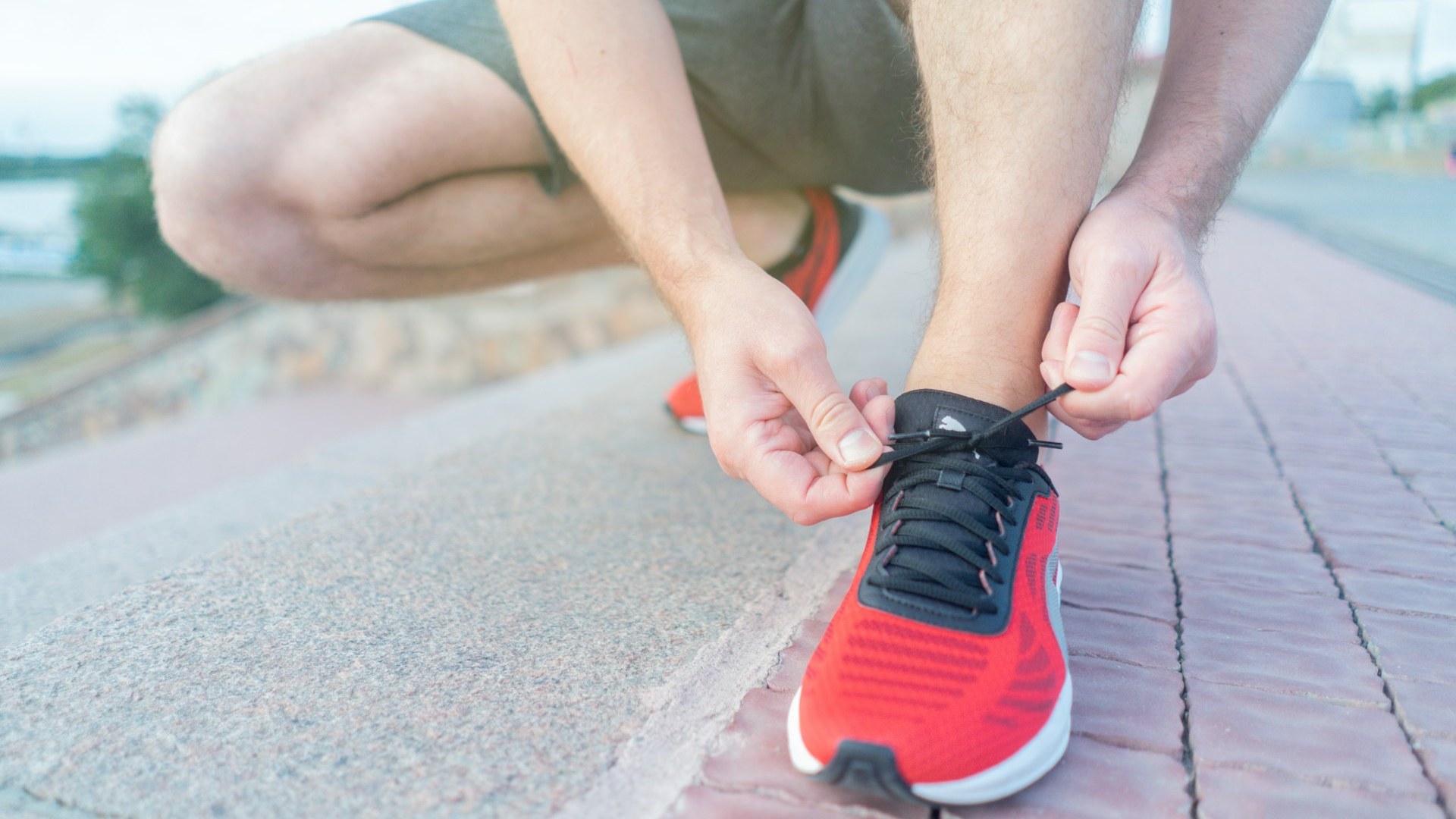
Make the behaviors you want as easy as possible. Lay out workout clothes the night before, keep a book on your nightstand or prepare healthy meals in advance. Every bit of friction you remove makes the disciplined choice more likely. Even saving ten seconds, such as keeping running shoes by the door, can tip the balance on a tired day.
3. Build routines
Doing the same thing at the same time each day turns effortful choices into habits. Research by Brian Galla and Angela Duckworth found that people with strong self-control relied on good habits, which helped explain their success [6]. Once a routine is automatic, it requires little discipline. That is why the early weeks of a new routine deserve extra care and planning.
4. Start small
Big commitments are easy to break. Start with something so small you can do it even on a bad day, such as five minutes of study or one set of exercises, then build up. Keeping small promises to yourself builds trust in your own discipline, which makes the next, slightly bigger commitment feel possible.
5. Plan for obstacles
Write if-then plans for situations that usually derail you, such as "If I feel like skipping my workout, then I will do just ten minutes." Deciding in advance removes the need to negotiate with yourself in the moment. Write two or three of these plans for your most common excuses, and keep them where you will see them.
6. Use precommitment
Commit in advance in ways that are hard to undo, such as booking a class, scheduling study time with a friend or setting app limits. Precommitment protects your future self from short-term temptations. Paying for a class in advance or agreeing to meet a friend for a run makes skipping it noticeably harder.
7. Track your behavior
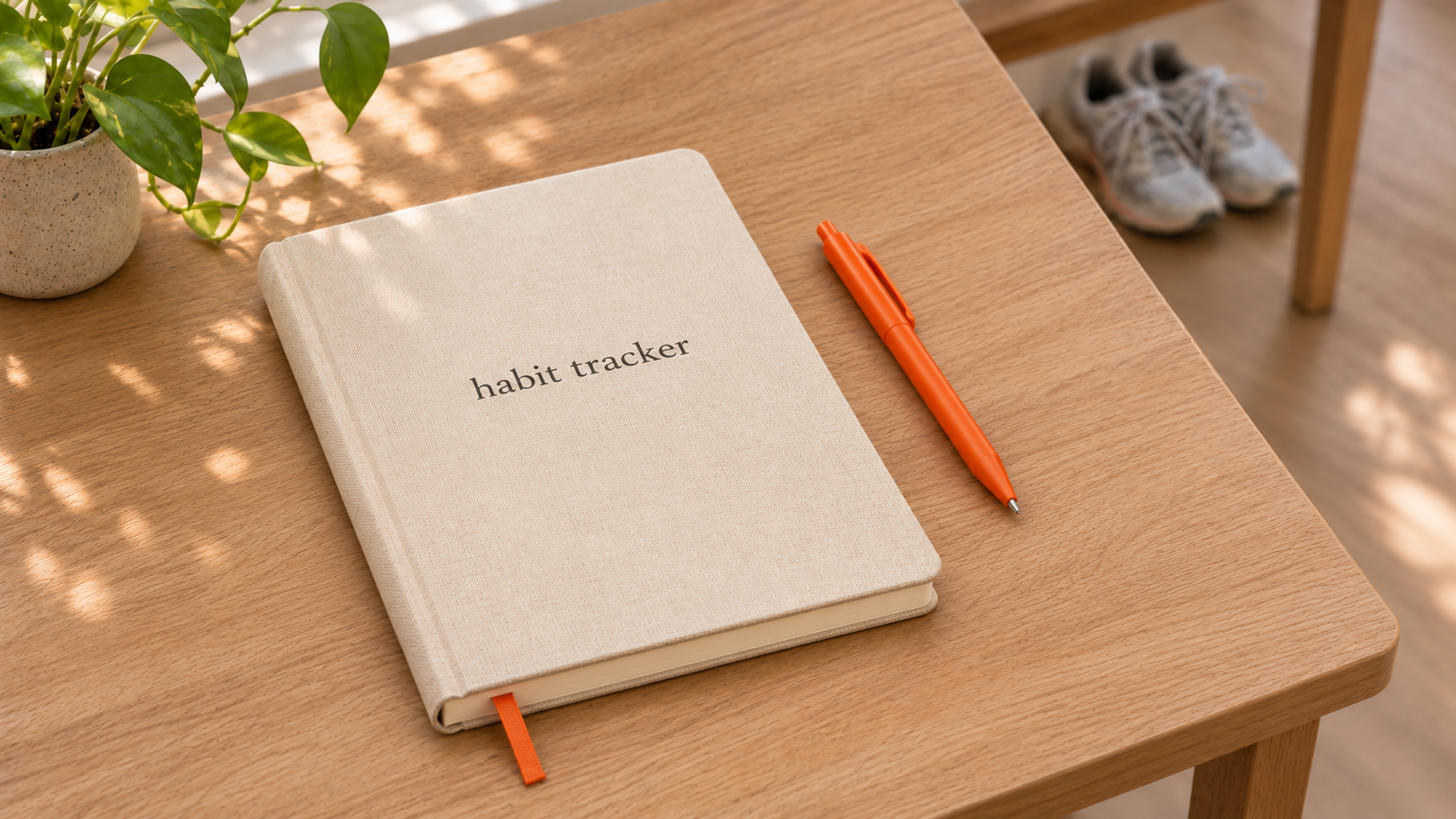
Recording your actions makes patterns visible and keeps you honest with yourself. A simple tracker showing a streak of completed days is also motivating. Over a few weeks, the record often reveals when discipline tends to slip, such as late evenings or busy Mondays, so you can plan around those moments.
8. Look after your basics
Sleep, food and stress levels affect self-control. When you are tired or hungry, temptations are harder to resist. Protecting sleep and regular meals makes disciplined choices easier. If you notice your discipline collapsing at the same time each day, check whether you are tired, hungry or stressed at that hour before blaming your character.
9. Forgive slips and restart
Everyone slips. Treating a slip as a failure often leads to giving up completely. Instead, notice what happened, adjust your plan and restart the next day. One missed day has little effect on a habit, while a long run of missed days does, so a quick restart matters more than a perfect record.
Examples of self-discipline in daily life
Self-discipline is rarely dramatic. It usually looks like small, ordinary choices repeated many times: going to bed at a planned time, finishing a task before checking messages or cooking at home instead of ordering food on a tired evening. Each of these choices is easy to skip once, which is exactly why repeating them builds discipline.
Looking at discipline this way makes it more achievable. You do not need to transform your character. You need a few small, specific behaviors that you repeat until they become normal for you. Over time, those behaviors add up to results that look like strong willpower from the outside.
- Going to bed at the time you planned.
- Starting work on your main task before email.
- Exercising on schedule, even briefly.
- Putting money aside before spending.
- Closing a tab or app when you notice distraction.
How to be disciplined when you don't feel like it
On days when you do not feel like it, lower the bar rather than skipping entirely. Commit to the smallest version of the task, such as one page, one email or a ten-minute walk. Starting is usually the hardest part, and once you begin, it often becomes easier to continue.
It also helps to reconnect with why the task matters and to notice that feelings change. You do not have to feel ready to act. Remind yourself how you usually feel after doing the task, which is often better than before. Our guide on [how to stop being lazy](https://ultiself.com/blog/how-to-stop-being-lazy) offers more ways to get moving on low-energy days.
- Do the smallest possible version of the task.
- Set a timer for ten minutes and start.
- Remind yourself why it matters.
- Think about how you will feel afterward.
- Make it social by working alongside someone.
Discipline and rest
Being disciplined does not mean never resting. Planned rest is part of a sustainable routine and helps prevent burnout, which can undo weeks of progress. The difference is that rest is chosen and scheduled rather than used to avoid something you have committed to. Our guide on [how to break bad habits](https://ultiself.com/blog/how-to-break-bad-habits) explains how to replace unhelpful patterns rather than fighting them.
How to build self-discipline step by step
Discipline grows through small habits repeated over time. Each step in this plan connects to a habit, so you can practice regularly and see your consistency improve week by week.
Start with one or two habits, such as planning tomorrow and finishing your top tasks, then add the others as they become routine. Small wins kept consistently will do more for your discipline than ambitious plans that collapse after a week.
| Step | Why it may help | Habit to practice |
|---|---|---|
| Plan tomorrow's tasks the evening before | Removes morning decisions | [Plan next day's tasks ahead](https://ultiself.com/habits/plan-next-days-tasks-ahead) |
| Finish your top three tasks | Builds a record of keeping commitments | [Complete 3 critical tasks](https://ultiself.com/habits/complete-3-critical-tasks) |
| Do something slightly uncomfortable | Builds tolerance for effort | [Proactive discomfort](https://ultiself.com/habits/proactive-discomfort) |
| Get up when the alarm rings | Starts the day with a small win | [Wake up right away in the morning](https://ultiself.com/habits/wake-up-right-away-in-the-morning) |
| Reduce digital temptations | Fewer distractions to resist [1] | [Digital cleanse](https://ultiself.com/habits/digital-cleanse) |
| Practice riding out urges | Helps you wait instead of acting on impulse | [Urge surfing](https://ultiself.com/habits/urge-surfing) |
With Ultiself, you can track these habits and see your streaks grow, which builds both discipline and the confidence that you can stick to what you decide. Each completed day is a small piece of evidence that you are someone who follows through.
Common questions
What is self-discipline?
Self-discipline is the ability to do what you planned and resist short-term impulses in favor of long-term goals, even when you do not feel like it.
How can I become more disciplined?
Remove temptations, make good choices easier, build routines, start small, plan for obstacles, track your behavior and look after your sleep and energy.
Is willpower limited?
The idea that willpower always runs out with use has weak support in large replication studies. Habits and environment are more reliable than willpower alone.
What is the difference between discipline and motivation?
Motivation is the desire to act, while discipline is the ability to act regardless of mood. Discipline supported by habits keeps you going when motivation is low.
How do I stay disciplined when I don't feel like it?
Do the smallest version of the task, set a short timer, remind yourself why it matters and think about how you will feel afterward.
Sources
- Hofmann W, Baumeister RF, Förster G, Vohs KD. Everyday temptations: an experience sampling study of desire, conflict, and self-control. Journal of Personality and Social Psychology, 2012.
- Baumeister RF, Bratslavsky E, Muraven M, Tice DM. Ego depletion: is the active self a limited resource? Journal of Personality and Social Psychology, 1998.
- Hagger MS, Chatzisarantis NLD, Alberts H, et al. A multilab preregistered replication of the ego-depletion effect. Perspectives on Psychological Science, 2016.
- Job V, Dweck CS, Walton GM. Ego depletion: is it all in your head? Implicit theories about willpower affect self-regulation. Psychological Science, 2010.
- Duckworth AL, Gendler TS, Gross JJ. Situational strategies for self-control. Perspectives on Psychological Science, 2016.
- Galla BM, Duckworth AL. More than resisting temptation: beneficial habits mediate the relationship between self-control and positive life outcomes. Journal of Personality and Social Psychology, 2015.