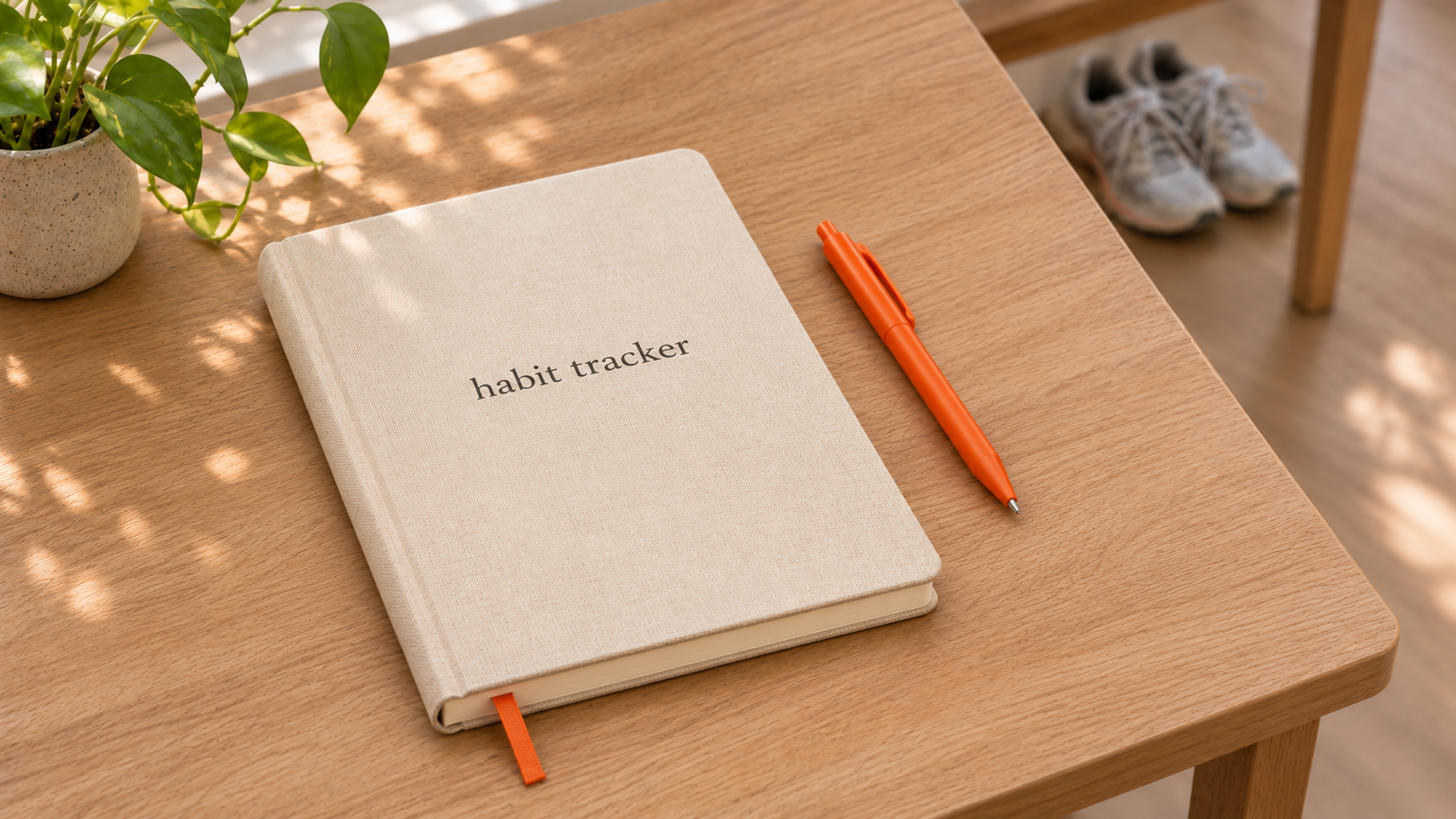
To stop being lazy, start by asking what is really going on, because what feels like laziness is often tiredness, unclear goals, overwhelm or low interest. Then make tasks smaller, start with a two-minute action, build simple routines, remove distractions and look after sleep and movement. Small, consistent steps create momentum that motivation alone rarely does.
Am I lazy or is something else going on?
Feeling lazy usually describes a gap between what you want to do and what you actually do. Most people who call themselves lazy are not unwilling to work. They are often tired, unsure where to start, overloaded or doing tasks that feel meaningless to them. Calling it laziness adds guilt, but it rarely explains the cause or points to a solution. A more useful question is what makes this particular task hard to start right now.
It helps to look at the pattern. If you lack energy for everything, sleep, stress or health may be involved. If you avoid only certain tasks, those tasks may be unclear, boring or anxiety-provoking. If you have little interest in things you used to enjoy for weeks, it is worth talking to a doctor, since persistent low energy and interest can be signs of a health or mood problem rather than a character flaw.
Why we feel lazy
Humans naturally prefer the easier option when two choices lead to similar results. Research by Wouter Kool and colleagues found that people tend to avoid tasks that require more mental effort when an easier option is available [1]. This tendency is normal and useful for saving energy, but in modern life it often pulls us toward scrolling, snacking and postponing hard tasks.
Several everyday factors make that pull stronger. Poor sleep reduces attention and drive, as a meta-analysis by June Lim and David Dinges showed [2]. Tasks with distant rewards are more likely to be postponed, according to Piers Steel's review of procrastination research [3]. Unclear goals, a cluttered environment and constant distractions all make starting harder.
| What feels like laziness | Possible cause | Strategy that may help |
|---|---|---|
| No energy for anything | Poor sleep, stress, little movement | Fix sleep timing, take a short walk |
| Avoiding one specific task | Unclear first step or fear of failure | Define the next small action |
| Starting but not finishing | Too many distractions | Remove your phone, work in short blocks |
| No interest in goals | Goals do not feel meaningful | Reconnect with your values |
| Feeling overwhelmed | Too many tasks at once | Pick one priority for today |
Matching the strategy to the cause makes change much easier. A person who is exhausted needs rest and routine, not more pressure, while someone stuck on an unclear task needs a clear first step.
How to stop being lazy: 10 strategies
The ten strategies below focus on making action easier rather than forcing yourself through willpower. Pick two or three that match what is holding you back, and give them a couple of weeks. Small changes often lead to bigger shifts once momentum builds, because each finished action makes the next one feel more possible.
Be patient with yourself while you try them, especially in the first week. Harsh self-criticism tends to make people feel worse and act less, while a kind, practical approach makes it easier to keep going.
1. Make tasks smaller
Break big tasks into steps so small they feel almost too easy, such as "open the document" or "put on running shoes." Small steps reduce the effort needed to start, which is where most resistance lives. Once the first step is done, the next one usually feels lighter, and progress builds on itself.
2. Use the two-minute rule
Commit to just two minutes of a task. Starting often creates momentum, and many people continue once they begin. If you stop after two minutes, you still did something, and that small success makes tomorrow's start a little easier.
3. Set clear, meaningful goals
Vague goals are easy to ignore. Decide exactly what you want and why it matters to you. Our guide on [how to set goals](https://ultiself.com/blog/how-to-set-goals) explains how to make goals specific and motivating. A goal that feels personally meaningful is far easier to act on than one you feel you should pursue.
4. Plan your day the night before
Choosing tomorrow's top tasks in the evening removes morning decisions and gives you a clear starting point when energy is low. A short list of one to three items is enough and far less daunting than a long to-do list.
5. Build routines
Doing things at the same time each day turns effortful choices into habits. Once a routine is automatic, it requires much less motivation. Attaching a new routine to something you already do, such as after morning coffee, makes it easier to remember.
6. Remove distractions
Put your phone in another room, close unrelated tabs and tidy your workspace. Fewer distractions make it easier to stay with a task. Many people find that the phone alone accounts for most of the time they think of as lazy.
7. Move your body
A short walk or a few minutes of exercise can lift energy quickly. In a classic study by Robert Thayer, a brisk ten-minute walk increased feelings of energy more than a sugary snack [4]. Movement is often the quickest way to shift from feeling stuck to feeling ready.
8. Protect your sleep
Regular sleep is one of the most effective ways to feel more energetic and motivated. Keeping consistent bed and wake times helps your body clock and daytime alertness. If you often feel sluggish, improving sleep may do more than any productivity trick.
9. Reward yourself
Pair tasks with something you enjoy, such as a favorite drink or podcast, or reward yourself after finishing. This makes effort more satisfying and teaches your brain that starting leads to something pleasant.
10. Be kind to yourself
Self-criticism often leads to more avoidance. Treat slow days as normal, notice what helped on better days and restart without guilt. Speaking to yourself as you would to a friend makes it much easier to try again.
Myths about laziness
One common myth is that productive people never feel lazy. In reality, almost everyone feels resistance to some tasks. The difference is usually in the systems people use, such as routines, plans and small first steps, rather than in an endless supply of motivation.
Another myth is that harsh self-talk will push you into action. For most people, calling themselves lazy creates shame, which makes tasks feel heavier and avoidance more likely. A third myth is that rest is the same as laziness. Planned rest helps you recover and is part of a sustainable routine.
- Almost everyone feels resistance to some tasks.
- Harsh self-talk usually makes avoidance worse.
- Rest is not the same as laziness.
- Systems matter more than personality.
How to stop being lazy at home
At home, the line between rest and tasks can blur, making it easy to stay on the couch. A simple daily structure helps: getting dressed, setting a start time for tasks and having a short list of what you want to do today. Working in short blocks, such as 25 minutes of chores followed by a break, makes housework and personal projects feel more manageable and easier to start.
Make the environment work for you. Keep the things you need for important tasks visible and easy to reach, and the things that distract you out of sight. Doing one small task right away, such as washing a few dishes or making the bed, often starts a chain of productive actions. Music or a podcast can make chores feel less tedious.
- Get dressed and set a start time for tasks.
- Write a short list of three things for the day.
- Work in short timed blocks with breaks.
- Start with one tiny, visible task.
- Keep distractions out of sight.
How to get things done when you have no energy
On low-energy days, adjust your expectations rather than giving up entirely. Choose the one most important task and do a small version of it. Low-energy tasks, such as answering simple emails or tidying, can fill the rest of the time. Sometimes rest is exactly what you need, and choosing it deliberately is different from avoiding everything. Deciding in advance how long you will rest, such as one hour, keeps it restorative rather than open-ended.
Simple energy boosters help. A glass of water, daylight, a short walk or a few minutes of stretching can make it easier to begin. If low energy is frequent, look at sleep, stress and daily routines. Our guide on [how to have more energy](https://ultiself.com/blog/how-to-have-more-energy) explains everyday habits that support steady energy.
- Pick one important task and do a small version.
- Use simple tasks to fill low-energy time.
- Drink water, get daylight and move briefly.
- Rest deliberately when you truly need it.
- Look at sleep and stress if low energy is frequent.
When to talk to a doctor
If you feel tired and unmotivated most days for several weeks, lose interest in things you usually enjoy or notice changes in sleep, appetite or mood, it is worth talking to a doctor. Persistent low energy can have physical or mental health causes that need attention, and getting help is a practical step, not a sign of weakness. Describing what you have noticed, including how long it has lasted, helps a doctor understand what is going on.
How to stop being lazy step by step
Overcoming laziness is easier with a few supportive habits. Each step in this plan connects to a habit, so you can build momentum gradually and see your progress over time.
Start with planning tomorrow and one small daily action, then add movement and sleep habits. Our guides on [how to stay motivated](https://ultiself.com/blog/how-to-stay-motivated), [how to be more disciplined](https://ultiself.com/blog/how-to-be-more-disciplined) and [how to stop procrastinating](https://ultiself.com/blog/how-to-stop-procrastinating) offer related strategies.
| Step | Why it may help | Habit to practice |
|---|---|---|
| Plan tomorrow's top tasks | Gives you a clear starting point | [Create 3 critical tasks for tomorrow](https://ultiself.com/habits/create-3-critical-tasks-for-tomorrow) |
| Work in short focused blocks | Makes starting easier | [Focus timer](https://ultiself.com/habits/pomodoro-technique) |
| Make your bed in the morning | A quick first win | [Make bed](https://ultiself.com/habits/make-bed) |
| Walk outside daily | May lift energy quickly [4] | [Walk outside](https://ultiself.com/habits/walk-outside) |
| Keep a steady sleep schedule | Supports alertness and drive [2] | [Sleep between 6-8 hours per night](https://ultiself.com/habits/sleep-between-6-8-per-night) |
| Reward yourself after tasks | Makes effort more satisfying | [Self reinforcement](https://ultiself.com/habits/self-reinforcement) |
With Ultiself, you can track these habits and see small wins add up, which often does more for motivation than any amount of self-criticism. Looking back at a week of small completed actions is a reminder that you are already making progress.
Common questions
How do I stop being lazy?
Find what is behind it, make tasks smaller, start with two minutes, plan your day the night before, build routines, remove distractions, move your body and protect your sleep.
Why am I so lazy?
What feels like laziness is often tiredness, unclear goals, overwhelm, distractions or tasks that feel meaningless. Persistent low energy can also have health causes worth checking with a doctor.
How do I stop being lazy at home?
Get dressed, set a start time, write a short list of tasks, work in short timed blocks and start with one small visible task such as making the bed.
How do I get things done with no energy?
Pick one important task and do a small version, use simple tasks for the rest of the time, get water, daylight and a short walk, and rest deliberately when needed.
Is laziness a real thing?
People naturally prefer easier options, but what is called laziness usually has understandable causes, such as tiredness or unclear goals, that can be addressed with practical changes.
Sources
- Kool W, McGuire JT, Rosen ZB, Botvinick MM. Decision making and the avoidance of cognitive demand. Journal of Experimental Psychology: General, 2010.
- Lim J, Dinges DF. A meta-analysis of the impact of short-term sleep deprivation on cognitive variables. Psychological Bulletin, 2010.
- Steel P. The nature of procrastination: a meta-analytic and theoretical review of quintessential self-regulatory failure. Psychological Bulletin, 2007.
- Thayer RE. Energy, tiredness, and tension effects of a sugar snack versus moderate exercise. Journal of Personality and Social Psychology, 1987.