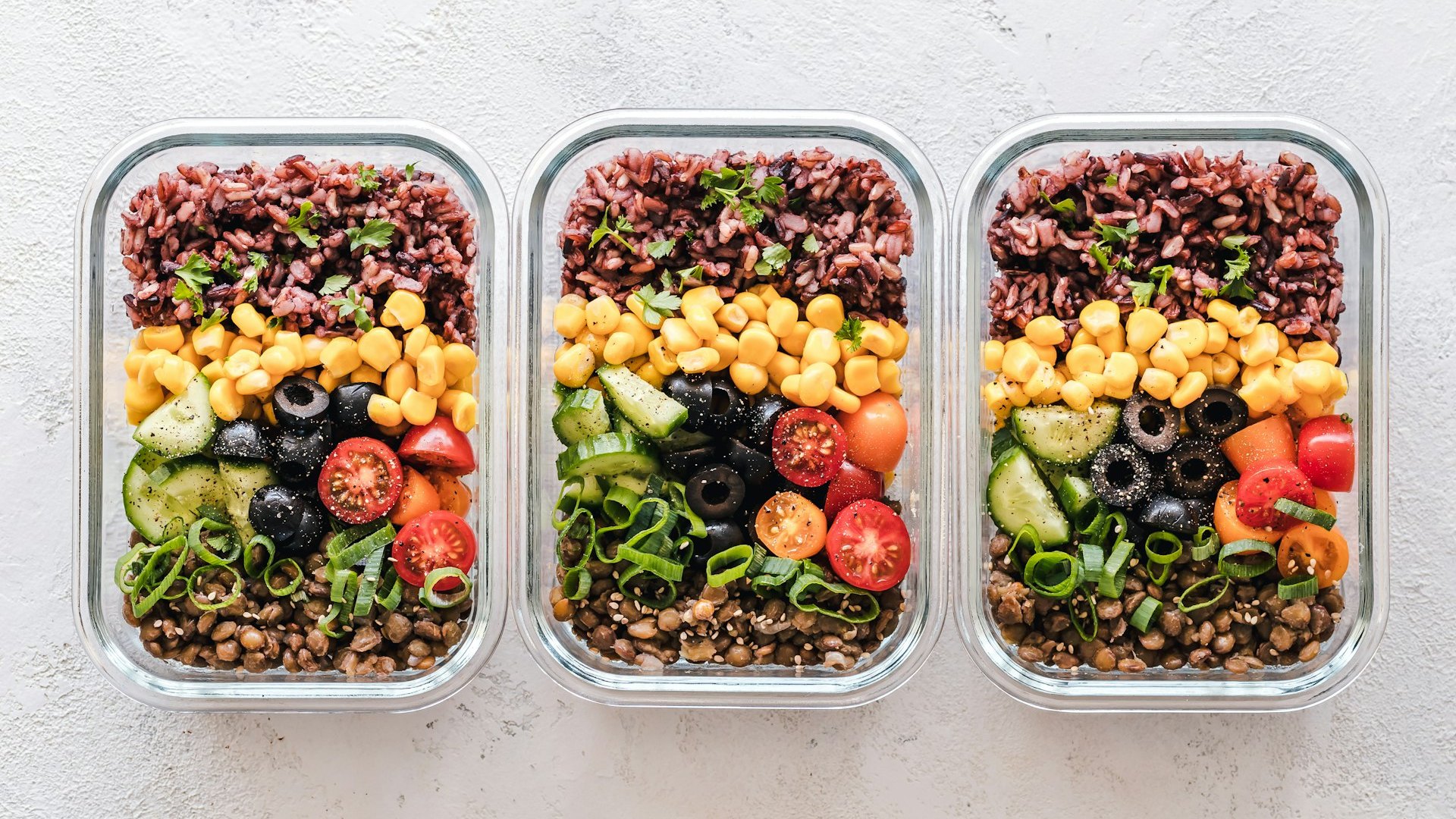
Meal prep means planning and preparing some or all of your meals in advance, usually in one or two sessions a week, so healthy food is ready when you need it. To start, choose two or three simple recipes, shop with a list, cook in batches and store portions in the fridge for up to three to four days or in the freezer for longer. Even prepping a few lunches saves time and money.
What is meal prep?
Meal prep is the practice of preparing food ahead of time, from complete meals in containers to simply washing vegetables and cooking a pot of rice. The goal is to make everyday eating easier, healthier and cheaper by doing most of the planning, shopping and cooking at once instead of every day.
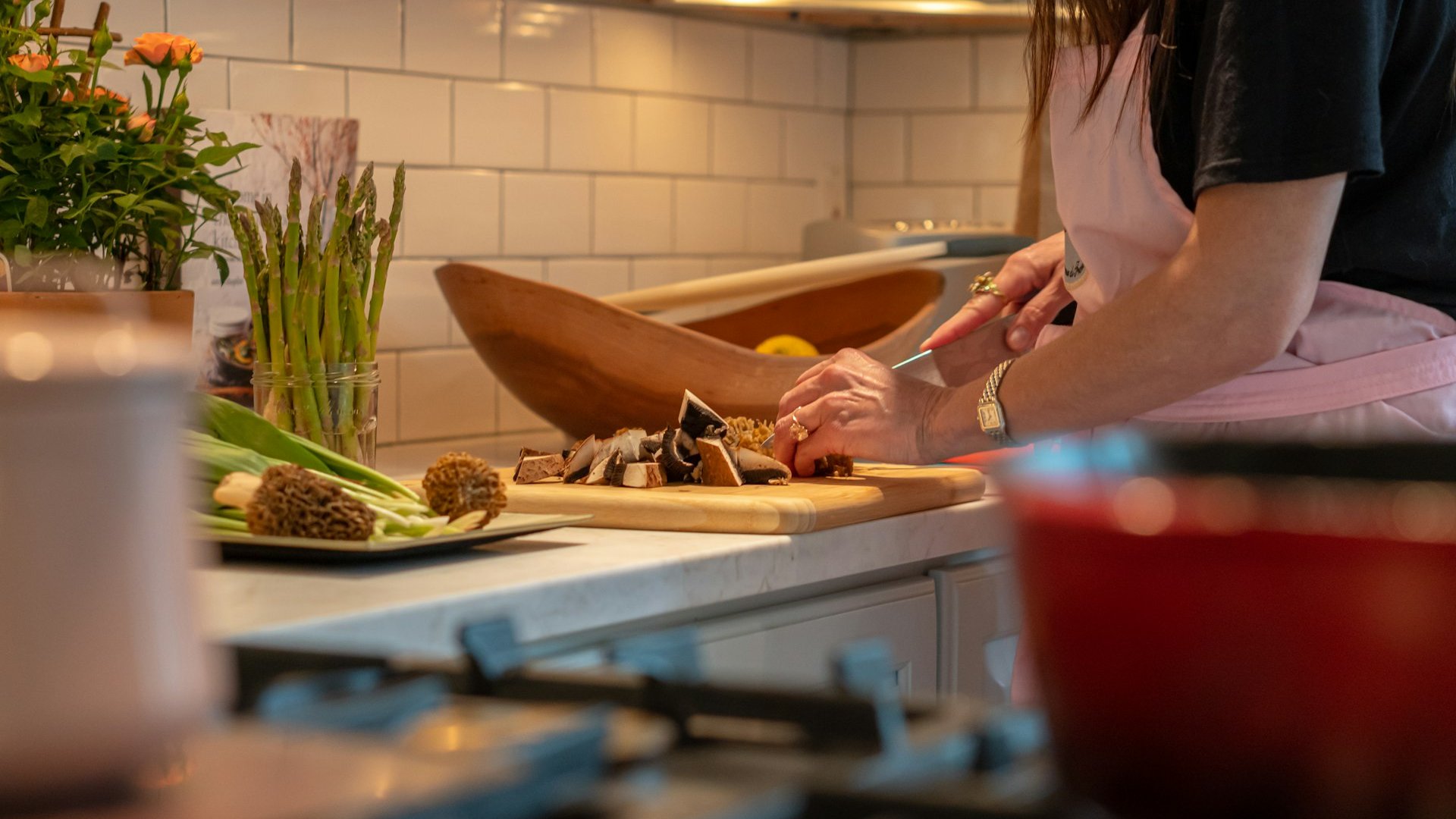
There are several styles. Full meal prep means cooking complete meals and dividing them into portions. Batch cooking means making large amounts of one or two dishes to eat over several days. Ingredient prep means preparing components, such as chopped vegetables, cooked grains and a protein, that you combine into different meals during the week.
Beginners often find ingredient prep the most flexible, because it allows different meals from the same components and avoids eating the same dish five days in a row. You can always move to full meal prep later, once you know which recipes you enjoy reheating.
- Full meal prep: complete meals in portioned containers.
- Batch cooking: large amounts of a few recipes.
- Ingredient prep: prepared components to mix and match.
- Freezer prep: meals cooked and frozen for later weeks.
Benefits of meal prep
Meal prep saves time on busy days, reduces decisions about what to eat and makes it easier to choose balanced meals instead of convenience food. It also makes portion sizes more consistent, which some people find helpful.
It also helps reduce food waste, because you buy what you plan to use. Many people find that having lunch ready is the single change that most improves their weekday eating. Our guide on [how to eat healthier](https://ultiself.com/blog/meal-prep-for-beginners) explains what a balanced meal looks like and how to fill a container with the right mix of foods.
How to meal prep for the week
A simple weekly routine makes meal prep manageable. Start small, with lunches for three or four workdays, and expand once the routine feels comfortable and you know how much food you actually eat. Choosing recipes that keep well, such as grain bowls, stews, roasted vegetables and baked chicken or tofu, makes the process easier. Avoid foods that spoil quickly or turn soggy, such as dressed salads, until you are more experienced.
Plan, shop and cook in a set order. Planning first prevents buying things you will not use, and cooking items that take longest first lets you prepare other foods while they cook. Putting on music or a podcast can make the session feel less like a chore. Having enough containers of the right size is also essential. A set of matching containers with tight lids makes portioning faster and keeps food fresher.
- Choose two or three recipes for the week.
- Check what you already have and write a shopping list.
- Shop once, ideally the day before or the day of prepping.
- Start with foods that take longest, such as grains and roasting vegetables.
- Prepare proteins and sauces while those cook.
- Let food cool, then divide it into containers.
- Label containers with the date and store them in the fridge or freezer.
Common meal prep mistakes
A common mistake is trying to prep every meal for the whole week on the first attempt, which often leads to burnout and wasted food. Another is choosing recipes that do not store well or making too much of one dish. Starting with a few lunches, varying sauces and freezing extra portions avoids most of these problems.
Meal prep ideas for beginners
The best beginner meal prep recipes are simple, use few ingredients and reheat well. A useful formula is grain plus protein plus vegetables plus sauce. You can make one batch of each component and combine them differently through the week to avoid boredom. For example, the same roasted vegetables and chicken can become a grain bowl on Monday, a wrap on Tuesday and a pasta dish on Wednesday.
Breakfasts are another easy place to start, especially if mornings are rushed and you often skip eating. Overnight oats, egg muffins and chia pudding can be made in batches and kept in the fridge. Our guide on [high protein breakfast ideas](https://ultiself.com/blog/high-protein-breakfast) has make-ahead options.
- Grain bowls with rice or quinoa, roasted vegetables, chicken or chickpeas and a simple sauce.
- Chili or lentil stew with a side of rice.
- Sheet pan chicken or tofu with mixed vegetables.
- Pasta salad with vegetables, beans and olive oil.
- Overnight oats with milk, yogurt and fruit.
- Egg muffins with vegetables and cheese.
- Soups that freeze well, such as vegetable or bean soup.
Sample weekly meal prep schedule
A two-hour session is enough to prepare lunches and some dinners for several days. This schedule shows how to use the time efficiently by cooking several things at once. Adjust it to your recipes and kitchen, and expect the first session to take a little longer while you find your rhythm.
Working in this order means the oven and stove are always in use while you chop or portion other foods, so nothing waits on anything else. After a few weeks, many people get the same amount of food done in 90 minutes.
- Minutes 0 to 15: preheat the oven, start rice or quinoa and put a pot of water on for eggs.
- Minutes 15 to 35: chop vegetables and put them in the oven to roast, boil eggs.
- Minutes 35 to 60: cook a protein, such as baked chicken, tofu or a pot of lentils.
- Minutes 60 to 80: make a sauce or dressing and prepare overnight oats.
- Minutes 80 to 100: let food cool, wash up while it cools.
- Minutes 100 to 120: divide food into containers, label them and store them.
How long does meal prep last?
Food safety is an important part of meal prep. According to the U.S. Department of Agriculture, most cooked leftovers should be eaten within three to four days when stored in the refrigerator at 40°F (4°C) or below [1]. Cooked food should be refrigerated within two hours of cooking, or within one hour if the room is very hot. Dividing large batches into smaller containers helps food cool quickly and safely.
For meals you plan to eat later in the week, freezing is the safest option. Frozen cooked meals stay safe indefinitely at 0°F (-18°C), but for best quality the USDA suggests eating them within about three to four months [1]. Reheat leftovers until they reach 165°F (74°C) throughout.
| Food | Fridge (40°F / 4°C or below) | Freezer (0°F / -18°C) |
|---|---|---|
| Cooked meat, poultry or fish | 3 to 4 days | About 3 to 4 months for best quality |
| Cooked grains, pasta and rice | 3 to 4 days | About 3 to 4 months for best quality |
| Soups, stews and chili | 3 to 4 days | About 3 to 4 months for best quality |
| Cooked vegetables | 3 to 4 days | About 3 to 4 months for best quality |
| Hard-boiled eggs | Up to 1 week | Not recommended |
These times are general guidelines for safety and quality. When in doubt, throw it out, and always follow specific advice on product labels. Labeling every container with the cooking date makes it easy to know what to eat first.
Storage tips
Use airtight containers and store food in shallow portions so it cools quickly. Keep sauces separate when possible to prevent foods from becoming soggy, and add fresh greens or crunchy toppings, such as nuts or seeds, just before eating. Glass containers can usually go from fridge to microwave, which makes reheating easy.
Crispy foods, such as roasted potatoes or breaded items, tend to soften in the fridge, while stews, curries and grain dishes often taste even better the next day. Choosing recipes with this in mind makes meal prep more enjoyable. If you find yourself bored by Thursday, prep two different sauces to change the flavor of the same base ingredients.
Meal prep on a budget
Meal prep is one of the most effective ways to save money on food, because it reduces takeaway meals and wasted groceries. Build meals around affordable staples such as rice, oats, pasta, beans, lentils, eggs, frozen vegetables and seasonal produce. Buying larger packs of staples and store brands also lowers costs, especially for items you use every week.
Plan meals that share ingredients, so nothing goes to waste, and check your fridge and cupboards before writing the shopping list. For example, a bag of spinach can go into egg muffins, grain bowls and pasta in the same week.
Cooking dried beans and lentils in batches is cheaper than buying canned, though canned beans are still an affordable and convenient option. Our guide on [how to get your life together](https://ultiself.com/blog/how-to-get-your-life-together) shows how meal planning fits into a weekly reset routine, alongside tidying and planning the week ahead.
- Use cheap staples such as rice, oats, beans, lentils and eggs.
- Choose frozen and seasonal vegetables.
- Plan meals that share ingredients.
- Buy store brands and larger packs of staples.
- Freeze extra portions to avoid waste.
How to meal prep step by step
Meal prep is easier to keep up when it is part of your weekly routine. Each step in this plan connects to a habit, so you can build a simple system and see how it affects your eating and budget over time.
Start with prepping lunches for a few days each week, then add breakfasts or dinners once the routine feels natural. Choosing the same prep day each week turns it into a habit rather than a decision.
| Step | Why it may help | Habit to practice |
|---|---|---|
| Plan meals for the week | Reduces daily decisions and waste | [Weekly objective planning](https://ultiself.com/habits/weekly-objective-planning) |
| Cook in batches | Makes healthy meals ready when needed | [Cooking](https://ultiself.com/habits/cooking) |
| Prepare a nutritious lunch | Keeps energy steady through the day | [Nutritious lunch](https://ultiself.com/habits/nutritious-lunch) |
| Prepare healthy snacks | Avoids unplanned snacking | [Healthy snack](https://ultiself.com/habits/healthy-snack) |
| Eat balanced meals | Supports overall healthy eating | [Eat healthy](https://ultiself.com/habits/eat-healthy) |
With Ultiself, you can add meal prep to your weekly routine and track how often you follow it, which makes it easier to turn it into a lasting habit. Seeing a few weeks of completed prep sessions is a good reminder of how much time and money the routine is saving.
Common questions
What is meal prep?
Meal prep means planning and preparing meals or ingredients in advance, usually once or twice a week, so healthy food is ready when you need it.
How do I start meal prepping for beginners?
Choose two or three simple recipes, shop with a list, cook grains, proteins and vegetables in batches, divide them into containers and store them in the fridge for up to three to four days.
How long does meal prep last in the fridge?
Most cooked foods last three to four days in the fridge at 40°F (4°C) or below, according to the USDA. Freeze meals you plan to eat later in the week.
Can I freeze meal prep?
Yes. Many cooked meals, such as soups, stews, cooked grains and proteins, freeze well. For best quality, eat them within a few months.
Is meal prep cheaper?
Usually yes. Planning meals, buying staples in bulk and cooking at home reduce takeaway spending and food waste.
Sources
- U.S. Department of Agriculture, Food Safety and Inspection Service. Leftovers and food safety; FoodKeeper storage guidance.