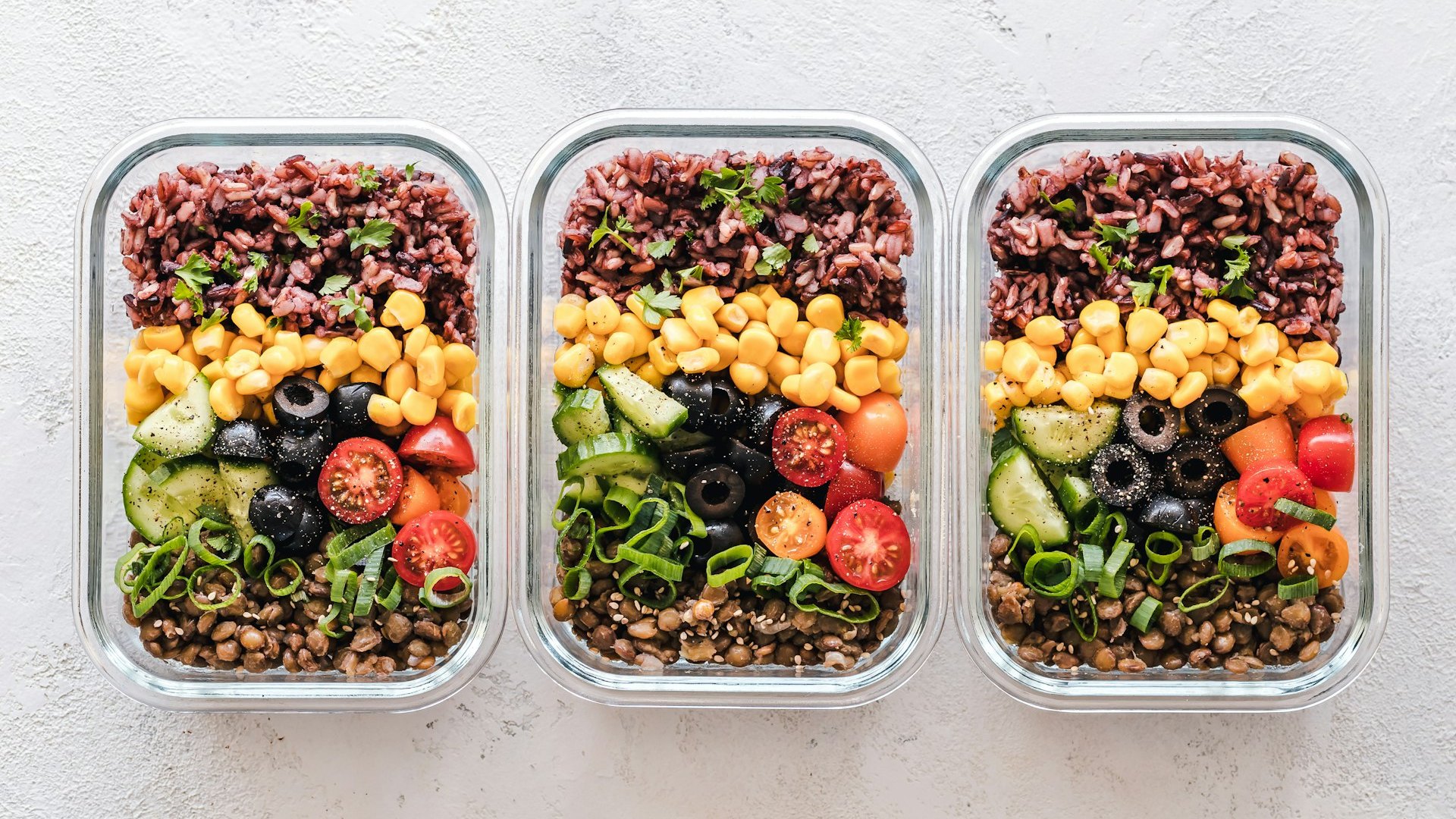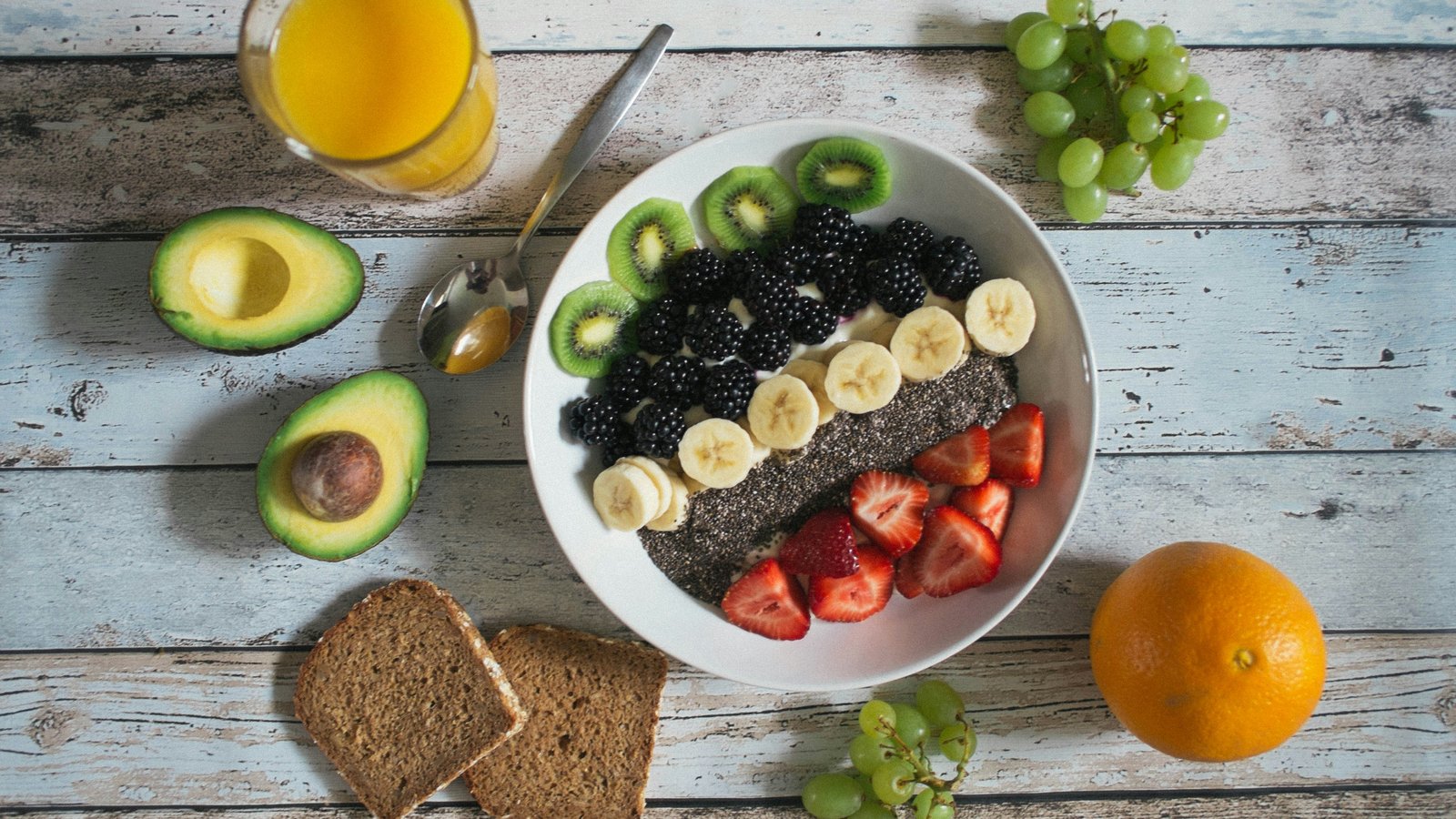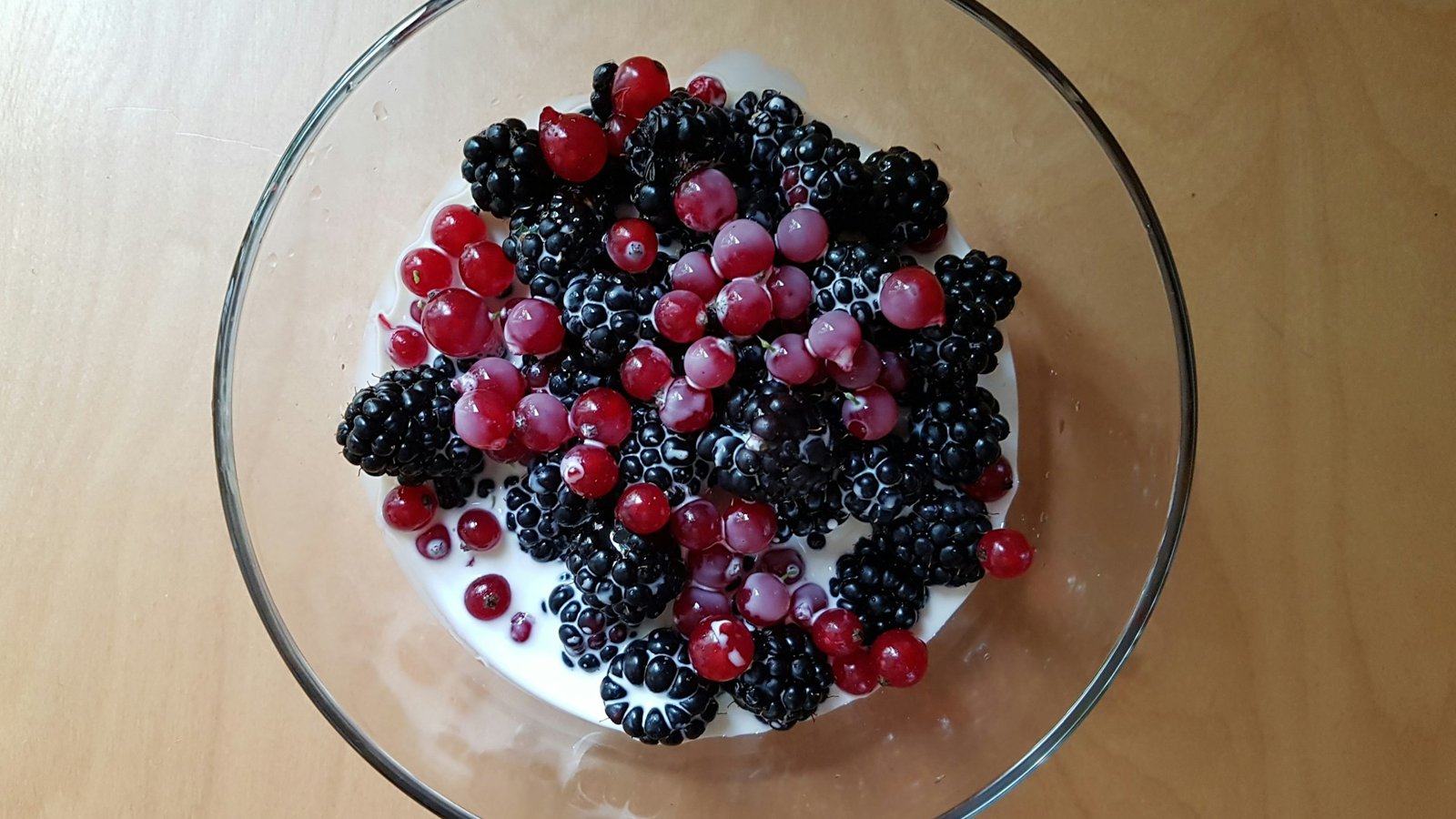
A high protein breakfast usually contains about 20 to 30 grams of protein, for example Greek yogurt with nuts and seeds, eggs on whole grain toast or cottage cheese with fruit. Protein at breakfast helps many people feel full for longer. Simple combinations, such as eggs with beans or overnight oats made with milk and yogurt, reach that range without special products.
How much protein should breakfast have?
Many nutrition researchers suggest aiming for about 20 to 30 grams of protein per meal, including breakfast. A review by Douglas Paddon-Jones and Blake Rasmussen proposed that around 25 to 30 grams per meal supports muscle maintenance, especially as people get older [1]. In a small study, adults who spread protein evenly across the day had higher muscle protein synthesis than those who ate most of it at dinner [2].
Overall protein needs depend on body size, age and activity. The Recommended Dietary Allowance for adults is 0.8 grams per kilogram of body weight per day, which is about 56 grams for a 70-kilogram person [3]. Active people and older adults may benefit from more. Breakfast is often the meal with the least protein, so it is an easy place to add some.
Why protein at breakfast helps
Protein tends to be more filling than carbohydrate or fat, which can make it easier to get to lunch without snacking. In a small study of late-adolescent girls who usually skipped breakfast, eating a higher protein breakfast led to greater feelings of fullness and less evening snacking on high-fat, high-sugar foods than skipping breakfast [4]. Results from small studies may not apply to everyone, but many people notice steadier energy when breakfast includes protein.
A protein-rich breakfast is not about eating more overall. It is about choosing foods that keep you satisfied, so combining protein with fiber from whole grains, fruit or vegetables usually works best. A breakfast with protein, fiber and some healthy fat tends to be more satisfying than one built mainly on refined carbohydrates, such as white toast with jam or a sugary cereal.
Best protein sources for breakfast
The most convenient breakfast proteins are eggs, dairy and soy, because they need little preparation and fit both sweet and savory meals. Greek yogurt, skyr and cottage cheese are especially protein-dense, while milk and cheese add smaller amounts that quickly add up. Fish, poultry and lean meats work well for savory breakfasts, especially on weekends.
Plant sources include tofu, tempeh, beans, lentils, soy milk, nuts and seeds. Nuts and seeds contain less protein per spoonful than eggs or yogurt, so they work best as toppings rather than the main source. Protein powders can help on busy mornings, but whole foods also provide fiber, vitamins and minerals, so most people do well building breakfast around them.
15 high protein breakfast ideas
The ideas below range from quick, no-cook options to warm breakfasts for weekends. Protein amounts are approximate and based on typical portions using values from the USDA FoodData Central database. Actual amounts vary between brands, so check labels if you track protein closely.
Mix and match ingredients to reach your target. Adding a glass of milk, a spoonful of nut butter or a handful of seeds is an easy way to raise the protein in almost any breakfast.
| Breakfast idea | Approximate protein |
|---|---|
| Greek yogurt (170 g) with berries and 3 tbsp hemp seeds | About 27 g |
| 2 eggs scrambled on 1 slice whole grain toast with cheese (30 g) | About 23 g |
| Cottage cheese (1 cup) with fruit and walnuts | About 28 g |
| Overnight oats (40 g oats) with milk, Greek yogurt and chia seeds | About 22 g |
| Tofu scramble (150 g firm tofu) with vegetables and toast | About 25 g |
| Smoked salmon (85 g) on a bagel with cream cheese | About 25 g |
| 3-egg omelet with spinach and feta | About 22 g |
| Breakfast burrito with 2 eggs, half a cup of black beans and cheese | About 30 g |
| Protein smoothie with milk, Greek yogurt, banana and peanut butter | About 30 g |
| Whole grain toast with peanut butter and a glass of milk | About 20 g |
| Egg muffins (3) with vegetables and cheese | About 21 g |
| Quinoa breakfast bowl with milk, nuts and seeds | About 20 g |
| Turkey or chicken sausage (2 links) with eggs | About 25 g |
| Edamame and egg rice bowl | About 22 g |
| Skyr or quark with granola and fruit | About 22 g |
These are starting points, not exact recipes. If an idea falls short of your target, add another egg, more yogurt or a glass of milk, or pair it with a protein-rich side.
Quick no-cook high protein breakfasts
No-cook breakfasts are ideal for busy mornings. Greek yogurt, skyr and cottage cheese are the easiest bases, since a single serving already provides 15 to 25 grams of protein. Top them with fruit for sweetness and nuts or seeds for crunch and extra protein.
Other quick options include whole grain toast with peanut butter and a glass of milk, a smoothie blended with yogurt and milk, or smoked salmon on a bagel. Each takes less than five minutes and needs no cooking, which makes them realistic even on the busiest mornings.
Keeping hard-boiled eggs in the fridge also helps, since two eggs add about 12 grams of protein to any quick breakfast. If you eat breakfast at work, a pot of yogurt and a small bag of nuts can be kept in the office fridge and drawer for mornings when you leave home in a hurry.
- Greek yogurt or skyr with berries and seeds.
- Cottage cheese with pineapple or peaches.
- Toast with nut butter and a glass of milk.
- Smoothie with milk, yogurt and fruit.
- Hard-boiled eggs with fruit and a slice of toast.
Vegetarian and vegan high protein breakfasts
Vegetarians can easily reach 20 to 30 grams of protein with eggs and dairy, which are among the most convenient protein sources. Greek yogurt, cottage cheese, cheese and eggs work in both sweet and savory breakfasts, and combining two of them, such as eggs with cheese, quickly adds up.
Vegan breakfasts rely on plant proteins such as tofu, tempeh, beans, lentils, soy milk, nuts and seeds. A tofu scramble with vegetables, overnight oats made with soy milk and hemp seeds or a breakfast burrito with black beans can all reach about 20 grams.
Soy milk generally provides more protein than most other plant milks, so it is a useful swap. Pea protein milks are another good option, while almond, oat and rice milks usually contain much less, often around 1 to 3 grams per cup. Checking the label takes a few seconds and can make a real difference over a week.
- Tofu scramble with vegetables and whole grain toast.
- Overnight oats with soy milk, chia and hemp seeds.
- Black bean breakfast burrito with avocado.
- Peanut butter toast with soy milk.
- Chickpea flour omelet with vegetables.
Make-ahead protein breakfasts
Preparing breakfast in advance makes a high protein start much easier on busy weekdays. Egg muffins, overnight oats and chia puddings can be made in batches and stored in the fridge for three to four days. Breakfast burritos can be wrapped and frozen, then reheated in a few minutes. Labeling containers with the date helps you use them while they are fresh.
A short weekend prep session covers most of the week. Cook a batch of hard-boiled eggs, prepare a few jars of overnight oats and portion yogurt with toppings into containers. Our guide on [meal prep for beginners](https://ultiself.com/blog/meal-prep-for-beginners) explains how to plan and store meals safely.
- Egg muffins with vegetables and cheese.
- Overnight oats with milk, yogurt and seeds.
- Chia pudding made with milk or soy milk.
- Frozen breakfast burritos with eggs and beans.
- A batch of hard-boiled eggs for the week.
How to make a high protein breakfast a habit
The easiest way to eat more protein at breakfast is to keep a few reliable options and repeat them. Choose two or three breakfasts you enjoy and rotate them, rather than deciding from scratch every morning. Keeping the ingredients stocked, such as yogurt, eggs and milk, makes the choice automatic.
Start with one change, such as switching regular yogurt for Greek yogurt or adding an egg to your usual toast. Small upgrades are easier to keep than a complete change of routine.
Common high protein breakfast mistakes
A frequent mistake is relying on products marketed as high protein, such as bars or cereals, that also contain a lot of added sugar. Checking the label for both protein and sugar helps you choose better options. Another common issue is focusing only on protein and forgetting fiber, which leaves breakfast less filling than it could be.
Some people also try to eat a very large breakfast all at once and feel uncomfortable. If big portions in the morning do not suit you, split breakfast into two smaller meals, such as yogurt at home and a boiled egg later in the morning. What matters most is a pattern you can repeat comfortably.
- Choosing protein bars or cereals high in added sugar.
- Forgetting fiber from fruit, vegetables or whole grains.
- Eating a breakfast that is too big to finish comfortably.
- Changing everything at once instead of one food at a time. Our guide on [how to eat healthier](https://ultiself.com/blog/high-protein-breakfast) offers more simple habits for balanced meals.
How to build a protein breakfast habit step by step
A high protein breakfast is easiest to keep when it is part of a planned routine. Each step in this plan connects to a habit, so you can make breakfast preparation and protein-rich choices regular rather than occasional.
Start with one step that fits your mornings, such as a make-ahead option, and add others over the next few weeks. Repeating the same few breakfasts is perfectly fine and often makes the habit easier to keep. Tracking what you eat for breakfast for a week can also show how far you are from your protein target.
| Step | Why it may help | Habit to practice |
|---|---|---|
| Add protein to your first meal | Spreads protein through the day [2] | [Morning protein shake](https://ultiself.com/habits/morning-protein-shake) |
| Prepare breakfasts in advance | Makes busy mornings easier | [Cooking](https://ultiself.com/habits/cooking) |
| Include fruit or vegetables | Adds fiber for a balanced meal | [Eat berries](https://ultiself.com/habits/eat-berries) |
| Choose balanced meals | Supports overall healthy eating | [Eat healthy](https://ultiself.com/habits/eat-healthy) |
| Eat breakfast without screens | Helps you notice fullness | [Practice mindful eating](https://ultiself.com/habits/practice-mindful-eating) |
With Ultiself, you can track your breakfast habits alongside energy and mood, which makes it easier to see how a protein-rich start affects the rest of your day. After a couple of weeks, many people notice a clear pattern in their mid-morning hunger and energy.
Common questions
How much protein should I eat for breakfast?
Many experts suggest about 20 to 30 grams of protein per meal, including breakfast. Your total daily needs depend on your body size, age and activity level.
What is a good high protein breakfast?
Good options include Greek yogurt with seeds and fruit, eggs on whole grain toast, cottage cheese with fruit, a tofu scramble or overnight oats made with milk and yogurt.
What are quick high protein breakfasts without eggs?
Greek yogurt or skyr bowls, cottage cheese with fruit, protein smoothies, peanut butter toast with milk and overnight oats with soy milk and seeds are all quick egg-free options.
Can vegans get enough protein at breakfast?
Yes. Tofu, tempeh, beans, soy milk, nuts and seeds can provide 20 grams or more, for example in a tofu scramble or overnight oats with soy milk and hemp seeds.
Is a high protein breakfast good for weight loss?
Protein can help you feel full, which may make it easier to manage hunger. Weight change depends on your overall diet and activity, so breakfast is only one part of the picture.
Sources
- Paddon-Jones D, Rasmussen BB. Dietary protein recommendations and the prevention of sarcopenia. Current Opinion in Clinical Nutrition and Metabolic Care, 2009.
- Mamerow MM, Mettler JA, English KL, et al. Dietary protein distribution positively influences 24-h muscle protein synthesis in healthy adults. Journal of Nutrition, 2014.
- Institute of Medicine. Dietary Reference Intakes for Energy, Carbohydrate, Fiber, Fat, Fatty Acids, Cholesterol, Protein, and Amino Acids. National Academies Press, 2005.
- Leidy HJ, Ortinau LC, Douglas SM, Hoertz HA. Beneficial effects of a higher-protein breakfast on the hormonal and neural signals controlling energy intake regulation in overweight/obese, breakfast-skipping, late-adolescent girls. American Journal of Clinical Nutrition, 2013.