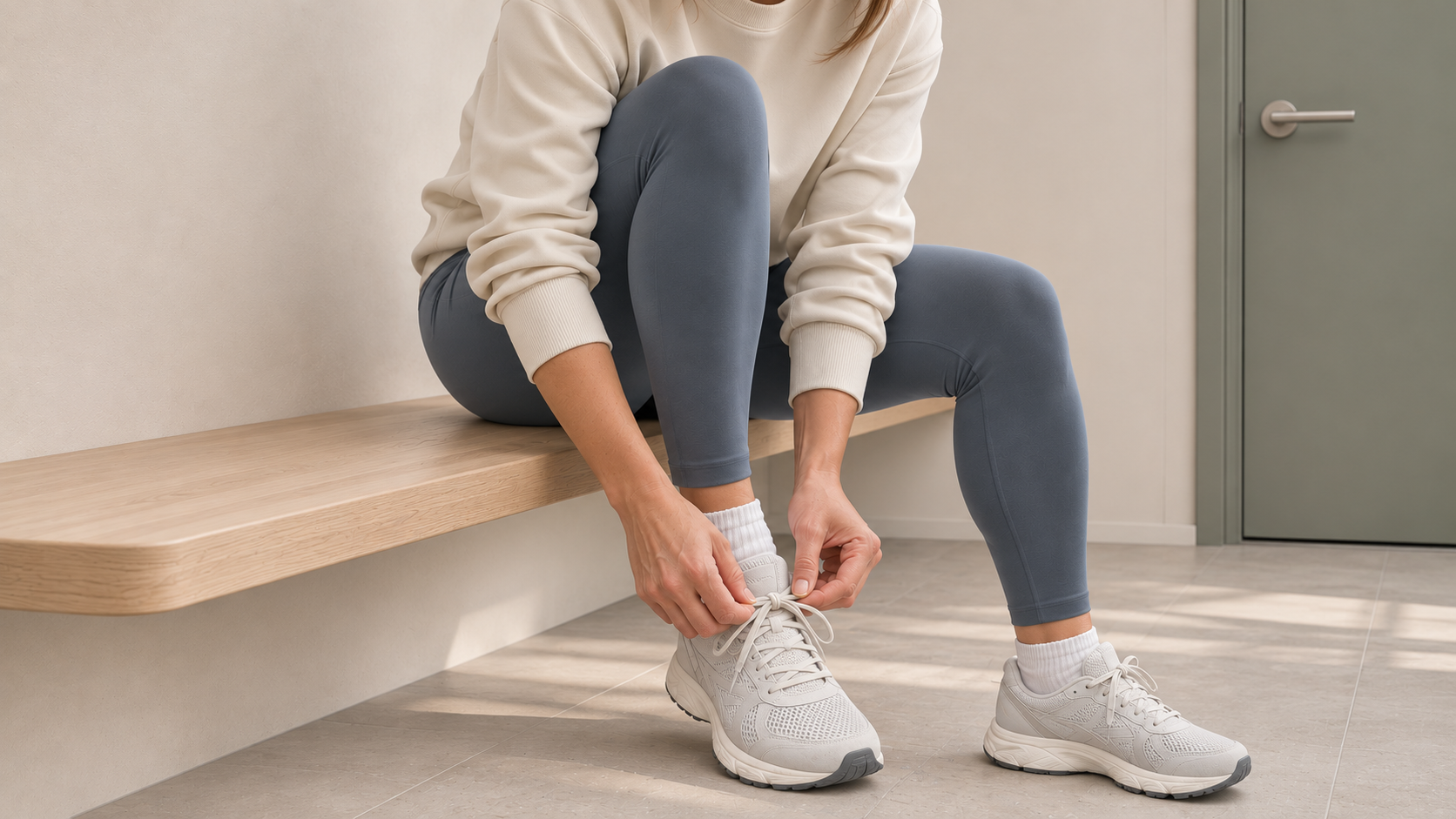
Self-care means the small, regular things you do to look after your body, mind and relationships, such as sleep, movement, rest, time outdoors and contact with people you care about, rather than occasional spa days. The main challenge for most people is making room for it, which is why giving self-care activities a fixed place in a daily routine may help them survive busy weeks.
What self-care means and why it matters
Self-care has no single definition, but most descriptions share one idea: deliberate actions that support your physical, emotional and social wellbeing. It is not the same as treating yourself to something expensive, and it is not only about relaxation. Sometimes it means doing something mildly unpleasant now, such as tidying a room, because it makes the next days easier.
Because self-care is personal, the same activity can restore one person and drain another. The sections below describe the main areas self-care covers, what research says about some of its common elements and how to tell restorative self-care from habits that only feel like rest in the moment.
The main areas of self-care
It can help to think of self-care in several areas rather than as one activity. A balanced routine usually touches more than one of them, so that rest for the mind does not come at the cost of the body or relationships. The areas overlap, and one activity, such as a walk with a friend, can cover several at once.
| Area | What it covers | Everyday examples |
|---|---|---|
| Physical | Movement, rest and body care | Stretching, a short walk, a regular bedtime |
| Emotional | Noticing and processing feelings | Journaling, a gratitude note, a calm pause |
| Social | Time with people who matter | A call with a friend, a family meal |
| Mental | Interest, learning and play | Reading, a hobby, a puzzle |
| Environment | Spaces and boundaries around you | A tidy desk, time outdoors, fewer notifications |
Looking at your week through these areas can show where most of your energy goes and which areas get little attention. Many people find that one or two areas, often social time or rest, are the first to shrink when life gets busy.
What research links with everyday wellbeing
Self-care as a whole is hard to study, but several of its common elements have been researched. A meta-analysis of 148 studies with more than 300,000 participants found that people with stronger social relationships had a 50 percent higher likelihood of survival during the study periods than those with weaker ones [1]. These were observational studies, so they show a link rather than direct cause.
Time outdoors and enjoyable activities have also been studied. In a survey of nearly 20,000 adults in England, people who spent at least 120 minutes a week in nature were more likely to report good health and wellbeing [2]. In another study of about 1,400 adults, taking part in more enjoyable leisure activities was associated with better psychological and physical measures [3].
| Element | What research found | Type of evidence |
|---|---|---|
| Social relationships | Linked with a higher likelihood of survival [1] | Meta-analysis of observational studies |
| Time in nature | At least 120 minutes a week linked with better reported health and wellbeing [2] | Large survey |
| Enjoyable leisure | More activities linked with better wellbeing measures [3] | Observational study |
| Less social media | Limiting use was followed by less loneliness in students [4] | Small randomized trial |
None of these findings proves that a single habit will change your health. Together, they suggest that relationships, time outside and enjoyable activities are worth protecting, which is why they form the core of the routine described later in this guide.
How to tell self-care from avoidance
Some activities feel restful in the moment but leave you more tired afterwards. Scrolling late into the night, putting off an important task or skipping plans with friends can look like rest while increasing stress later. Self-care usually leaves you feeling a little more capable of handling what comes next, even if it was not exciting at the time.
Screen time is a common example. In a small randomized trial, students who limited their use of three social media apps to about ten minutes each per day for three weeks reported less loneliness and fewer symptoms of depression than students who used them as usual [4]. The study was short and limited to students, but it suggests that some habits we use to relax may not restore us.
- You feel calmer or more energized afterwards, not more drained.
- The activity fits your values and plans rather than replacing them.
- You would be glad to repeat it next week.
- It does not create new problems, such as lost sleep or missed tasks.
If an activity fails most of these checks, it may still be enjoyable, but it is probably not doing the job of self-care. Noticing this difference is the first step toward building a routine that leaves you better prepared for the week.
How to build a self-care routine step by step
A self-care routine does not need to be long or expensive. Small actions repeated regularly can matter more than occasional large ones, because they become part of the day rather than something you must find time for. The steps below help you choose what to include and how to fit it into your schedule.
Start with one or two steps rather than all of them at once. The table gives an overview of each step and the habit that lets you practice it as part of your daily routine, so you can build the routine gradually and see what works for you.
| Step | What it does | Habit to practice |
|---|---|---|
| Notice what restores you | Shows which activities help | [Gratitude journal](https://ultiself.com/habits/gratitude-journal) |
| Add daily anchors | Gives body and mind regular care | [Stretching](https://ultiself.com/habits/stretching) |
| Make time for people | Protects social connection | [Call a friend](https://ultiself.com/habits/call-a-friend) |
| Protect rest and enjoyment | Keeps space for leisure | [Favorite hobby](https://ultiself.com/habits/favorite-hobby) |
| Be kinder to yourself | Reduces harsh self-talk | [Develop self-compassion](https://ultiself.com/habits/develop-self-compassion) |
Notice what drains you and what restores you
Before adding new activities, it helps to see how your current days affect your energy. For one week, note a few activities each day and how you felt afterwards. This simple record can reveal patterns, such as which evenings leave you tired and which activities lift your mood, that are easy to miss without writing them down.
The goal is not to judge your week but to collect information. Many people discover that a few small activities, such as a walk at lunch or a conversation with a colleague, restore more than they expected, while others, such as late-night scrolling, drain more than they realized.
| Activity | How I felt afterwards | Keep, change or drop |
|---|---|---|
| Walk at lunch | Clearer and calmer | Keep |
| Phone in bed until midnight | Tired next morning | Change |
| Dinner with a friend | Lighter and more connected | Keep |
| Answering emails after nine | Tense and restless | Change |
At the end of the week, pick one activity to keep and one to change. Writing a few lines in the evening, as in the [Gratitude journal](https://ultiself.com/habits/gratitude-journal) habit, can also help you notice the moments that went well and that you may want to repeat.
Choose small daily anchors for body and mind
Daily anchors are short activities you do at the same time each day, such as stretching after waking or reading before bed. Because they are small and linked to a fixed moment, they are easier to keep than a long session that depends on free time. Over weeks, they can form the backbone of your routine.
Choose one anchor for the morning and one for the evening to start. Keep each under ten minutes, so that a busy day does not push them aside. Once they feel familiar, you can lengthen them or add a third anchor in the middle of the day.
| Time | Anchor idea | Length |
|---|---|---|
| Morning | Gentle stretching after getting up | 5 minutes |
| Midday | A short walk outside | 10 minutes |
| Evening | Skincare or a warm shower without the phone | 10 minutes |
| Before bed | Reading a few pages of a book | 10 minutes |
Habits such as [Stretching](https://ultiself.com/habits/stretching), [Reading](https://ultiself.com/habits/reading) and [Skincare](https://ultiself.com/habits/skincare) fit well as anchors because they are short and easy to repeat. Choose the ones that feel enjoyable rather than the ones you think you should do, since enjoyment can make a routine easier to keep over time.
Make time for the people who matter
Relationships are easy to postpone when life is busy, yet research links them with health and wellbeing. In the meta-analysis mentioned earlier, stronger social relationships were associated with a higher likelihood of survival, and the link was strongest for measures that captured how integrated people were in their social networks [1].
Social self-care does not have to mean big gatherings. Regular, small contact can keep relationships alive, especially with people who make you feel supported. Planning it in advance can help, because spontaneous plans are often the first to disappear in a full week.
- Call or message one friend or relative each week.
- Plan one shared meal or walk with someone you live with.
- Put a recurring catch-up with a close friend in your calendar.
- Say yes to one social invitation you would usually decline because of tiredness.
The [Call a friend](https://ultiself.com/habits/call-a-friend) habit gives this contact a regular place in your week, so that it happens even when days are full. In the same way, [Family time](https://ultiself.com/habits/family-time) can help you protect shared time with the people you live with, such as a weekly meal or walk.
Protect time for rest and enjoyable activities
Enjoyable activities are often treated as optional, but research suggests they may matter. In the study of about 1,400 adults, people who took part in more types of enjoyable leisure, such as hobbies, time outdoors and social activities, had better psychological and physical measures on average [3]. The study was observational, so healthier people may simply have more time for leisure.
Time in nature is one enjoyable activity with a specific reference point. The survey of nearly 20,000 adults found that reported health and wellbeing were more likely to be good from about 120 minutes a week in nature, and it did not matter whether this came in one visit or several [2].
| Type of rest | Examples |
|---|---|
| Active | A walk in a park, cycling, dancing |
| Creative | Drawing, cooking a new recipe, playing music |
| Quiet | Reading, listening to music, sitting outside |
| Screen-free | An evening without notifications or social media |
Choose at least one enjoyable activity each week and put it in your calendar like any other appointment. The [Favorite hobby](https://ultiself.com/habits/favorite-hobby) habit keeps a regular slot for something you enjoy, and [Digital cleanse](https://ultiself.com/habits/digital-cleanse) can help create screen-free time.
Practice gratitude and self-compassion
Emotional self-care includes how you speak to yourself. Gratitude exercises, such as writing down a few good things each day, have been widely studied with mixed results. One meta-analysis found that gratitude interventions had small effects on symptoms of depression and anxiety [6]. Another found mixed results when gratitude exercises were compared with other activities rather than with no activity [5].
Self-compassion means treating yourself with the same kindness you would offer a friend after a mistake. A meta-analysis of 27 randomized trials found that self-compassion interventions improved several psychosocial outcomes compared with control groups, including self-criticism and rumination [7]. Results varied between studies and groups.
- Write down three things that went well today and why they happened.
- After a mistake, ask what you would say to a friend in the same situation.
- Replace one harsh thought with a more balanced sentence.
- Thank someone in person or by message for something specific.
These practices take a few minutes and can be paired with an evening anchor, such as reading or getting ready for bed, so they do not need extra time. The [Gratitude journal](https://ultiself.com/habits/gratitude-journal) and [Develop self-compassion](https://ultiself.com/habits/develop-self-compassion) habits give them a regular place in your routine.
How to keep your self-care routine going
Building a routine is the first step, but keeping it through busy weeks is often harder. Self-care tends to slip when it feels like another item on the to-do list. The practices below help it fit into real life, adapt as your circumstances change and recognize when more support may be needed.
Research on habit formation found that a new daily behavior took a median of 66 days to feel automatic, with wide differences between people [9]. Our guide on [how long it takes to build a habit](https://ultiself.com/blog/how-long-does-it-take-to-build-a-habit) explains this process. Expecting some missed days can make it easier to continue after them.
Fit self-care into a busy schedule
On full days, a long self-care session is unlikely to happen. Short activities linked to existing moments are easier to keep. If-then plans, which connect a specific situation with a specific action, had a medium to large effect on reaching goals in a meta-analysis of 94 tests [8], and they can be used for self-care in the same way.
The idea is to decide in advance what you will do when a familiar moment arrives, so you do not need to find extra time or motivation. Even a few minutes can count, especially when they happen regularly. The table shows examples that take five minutes or less.
| When this happens | Five-minute self-care |
|---|---|
| The kettle is boiling | Stretch your neck and shoulders |
| A meeting ends | Step outside or look out of a window |
| I get home from work | Put the phone in another room for half an hour |
| I get into bed | Write one good thing from the day |
Start with one or two if-then plans and write them down. After a week, keep the ones that worked and replace the ones you did not use. Small adjustments to the cue or the action can make a plan easier to follow.
Adjust your routine when life changes
A self-care routine that works during a calm month may not fit a period of exams, a new job or caring for someone. Instead of dropping the routine entirely, it can help to shrink it to a minimum version that still covers the basics. A five-minute version kept regularly may be more useful than a full routine that stops completely.
Reviewing the routine once a week makes these adjustments easier. Look at what you managed, what you skipped and why, then change one thing for the next week. Over time, you build a flexible set of options rather than a fixed plan that breaks under pressure.
- What helped me feel rested or steady this week?
- Which part of my routine did I skip, and what got in the way?
- Which area of self-care received the least attention?
- What is one small change I will try next week?
You can keep track of your routine on paper or in an app such as Ultiself, where each habit sits in your daily routine and completed days are saved. The record can show which parts of your routine hold up in busy weeks and which need a smaller version.
When self-care is not enough
Self-care can support everyday wellbeing, but it is not a treatment for mental or physical health conditions. If stress, low mood or exhaustion continue despite rest and regular routines, they may have causes that need professional attention. Seeking help is part of looking after yourself, not a sign that self-care has failed.
Consider speaking with a doctor or licensed mental health professional if you notice any of the signs below. They can help find the cause and discuss suitable options. If you ever have thoughts of harming yourself, contact local emergency services or a crisis line right away.
- Low mood, anxiety or irritability last for weeks.
- You feel exhausted even after rest and enough sleep.
- You have lost interest in activities you used to enjoy.
- Stress affects your work, relationships, sleep or appetite.
The habits in this guide can sit alongside professional support, and many people use them as part of a wider plan. They are not a substitute for it when that support is needed, and a professional can also help you adapt your routine to your situation.
Common questions
What are examples of self-care?
Examples include a short walk, stretching, reading, time with friends, an evening without screens, time outdoors and writing down good moments from the day. What counts as self-care depends on what helps you feel more rested and steady.
Is self-care selfish?
Self-care is about maintaining your wellbeing so that you can handle daily demands and be present for others. Taking regular time for rest and relationships is a normal part of looking after yourself rather than a sign of selfishness.
How much time does self-care take?
A routine can start with a few minutes a day. Short activities linked to existing moments, such as stretching after waking, are often easier to keep than long sessions that depend on free time.
What is the difference between self-care and self-indulgence?
Self-care tends to leave you feeling more rested or capable afterwards, while some indulgent habits feel good in the moment but leave you more tired or stressed later. The difference often shows in how you feel the next day.
Can self-care replace therapy?
No. Self-care can support everyday wellbeing, but it does not replace professional care for mental or physical health conditions. If difficulties continue, it is worth speaking with a doctor or licensed mental health professional.
Sources
- Holt-Lunstad J, Smith TB, Layton JB. Social relationships and mortality risk: a meta-analytic review. PLOS Medicine, 2010.
- White MP, Alcock I, Grellier J, Wheeler BW, Hartig T, Warber SL, Bone A, Depledge MH, Fleming LE. Spending at least 120 minutes a week in nature is associated with good health and wellbeing. Scientific Reports, 2019.
- Pressman SD, Matthews KA, Cohen S, Martire LM, Scheier M, Baum A, Schulz R. Association of enjoyable leisure activities with psychological and physical well-being. Psychosomatic Medicine, 2009.
- Hunt MG, Marx R, Lipson C, Young J. No more FOMO: limiting social media decreases loneliness and depression. Journal of Social and Clinical Psychology, 2018.
- Davis DE, Choe E, Meyers J, et al. Thankful for the little things: a meta-analysis of gratitude interventions. Journal of Counseling Psychology, 2016.
- Cregg DR, Cheavens JS. Gratitude interventions: effective self-help? A meta-analysis of the impact on symptoms of depression and anxiety. Journal of Happiness Studies, 2021.
- Ferrari M, Hunt C, Harrysunker A, Abbott MJ, Beath AP, Einstein DA. Self-compassion interventions and psychosocial outcomes: a meta-analysis of RCTs. Mindfulness, 2019.
- Gollwitzer PM, Sheeran P. Implementation intentions and goal achievement: a meta-analysis of effects and processes. Advances in Experimental Social Psychology, 2006.
- Lally P, van Jaarsveld CHM, Potts HWW, Wardle J. How are habits formed: modelling habit formation in the real world. European Journal of Social Psychology, 2010.