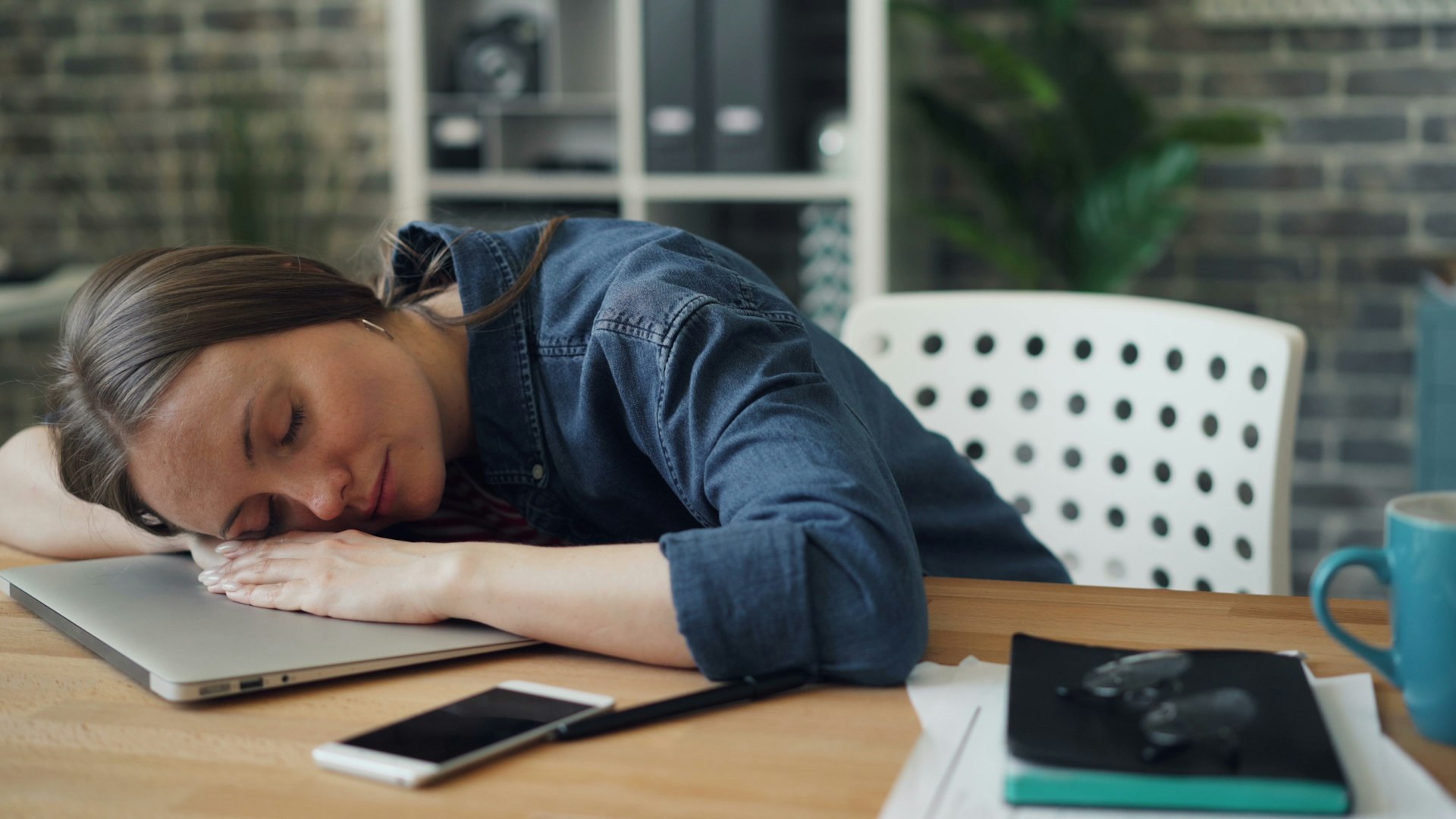
Feeling tired all the time is most often linked with everyday factors such as short or irregular sleep, little daylight, low physical activity, late caffeine and stress, but it can also be a sign of medical conditions such as anemia, thyroid problems or sleep apnoea. Around 20 percent of adults report persistent fatigue [1], so it is common, and tiredness that lasts for weeks is worth discussing with a doctor.
Why you might feel tired all the time
Tiredness is a symptom, not a diagnosis. It can reflect how much and how regularly you sleep, how your body clock is aligned with your schedule, how active you are and how much stress you carry. Looking at each of these areas can help you understand what may be contributing in your case.
The sections below cover the everyday factors research most often links with tiredness. They are not a checklist for self-diagnosis, but a way to spot patterns that you can discuss with a doctor or start changing yourself. Several of them often overlap, so it may help to read all of them before deciding where to start.
Not getting enough sleep, more often than you think
Short sleep is one of the most common reasons for daytime tiredness. A large survey by the US Centers for Disease Control and Prevention found that more than a third of US adults reported sleeping less than seven hours per night, the minimum recommended for adults [2]. Many people underestimate how often they fall short.
Sleep debt can build up gradually. One or two short nights may not feel dramatic, but a week of sleeping an hour less than you need can leave you noticeably tired. Weekend lie-ins may help a little, but they rarely make up for regular short nights and can shift your body clock later.
| Sign | What it may suggest |
|---|---|
| You fall asleep within minutes almost anywhere | You may be short on sleep |
| You sleep much longer on free days | Your weekday sleep may be too short |
| You need an alarm and still feel groggy | Your sleep may be too short or poorly timed |
| You rely on caffeine to get through the morning | Tiredness may be masked rather than resolved |
Keeping a simple sleep diary for one or two weeks can show how much you actually sleep. The [Track your sleep](https://ultiself.com/habits/track-your-sleep) habit may make it easier to notice patterns that are hard to see day by day. A diary can also be useful to show a doctor if tiredness continues.
Social jetlag: when your schedule fights your body clock
Some people sleep enough in total but at the wrong times for their body clock. Researcher Till Roenneberg described this as social jetlag: the gap between when your body would naturally sleep and when work, school or social life require you to be awake. In his surveys, about two thirds of people in Western populations had at least one hour of social jetlag [3].
Social jetlag often shows up as tiredness during the week and much later sleep times at weekends. This pattern is similar to flying across time zones every Friday and back every Monday. Keeping sleep and wake times more consistent across the week may reduce this shift.
- You go to bed and wake up much later on weekends.
- Monday mornings feel especially difficult.
- You feel most alert late in the evening.
- You struggle to fall asleep early on work nights.
If this pattern sounds familiar, our guide on [how to fix your sleep schedule](https://ultiself.com/blog/how-to-fix-your-sleep-schedule) explains how to shift sleep times gradually and use morning light to support a steadier rhythm. Small, gradual changes of 15 to 30 minutes are usually easier to keep than sudden large shifts.
Too little daylight and too little movement
Daylight and physical activity both influence how alert you feel. In a study of more than 400,000 adults, more time spent outdoors in daylight was associated with better mood, fewer insomnia symptoms and greater ease of getting up [4]. Many people who work indoors get very little natural light, especially in winter.
Movement may seem like the last thing you want when you feel tired, but research suggests it often helps. A meta-analysis of 70 randomized trials with 6,807 participants found that regular exercise increased feelings of energy and reduced feelings of fatigue on average, with more than 90 percent of studies showing improvement compared with control groups [5].
| Factor | What research found | Type of evidence |
|---|---|---|
| Daylight | More time outdoors linked with better mood and sleep [4] | Large observational study |
| Regular exercise | Increased feelings of energy and reduced fatigue [5] | Meta-analysis of randomized trials |
These findings come with caveats. The daylight study shows association rather than cause, and exercise effects were average results across many groups. Still, both point to simple, low-risk changes that many people can try, starting with a short daily walk outside.
Caffeine, stress and other hidden energy drains
Caffeine can help in the short term, but it can also affect sleep. In one study, caffeine taken six hours before bed still reduced total sleep time by more than an hour, and participants were often unaware of the disruption [6]. This can create a cycle of poor sleep, more caffeine and more tiredness.
Ongoing stress, worry and long working hours can also leave people feeling drained, even without physical effort. Mental fatigue is real, and it often responds to rest, boundaries and breaks rather than more willpower. Dehydration, irregular meals and long periods of sitting may also play a role for some people.
- Caffeine late in the day may reduce sleep without you noticing.
- Ongoing stress can feel physically exhausting.
- Long stretches without breaks may increase mental fatigue.
- Skipped meals and little water may affect how you feel.
Looking at these factors together often reveals more than focusing on one. The [Caffeine-free day](https://ultiself.com/habits/caffeine-free-day) and [Regular breaks](https://ultiself.com/habits/regular-breaks) habits are simple ways to test whether these drains apply to you. Changing one factor at a time can also show which one makes the biggest difference for you.
When tiredness may need medical attention
Everyday habits explain a lot of tiredness, but not all of it. Persistent fatigue can be a symptom of medical conditions, some of which are common and treatable. It is important not to assume that tiredness is simply a lifestyle issue, especially if it is new, severe or comes with other symptoms.
The sections below describe some conditions doctors may consider and the warning signs that suggest it is time to book an appointment. This information is meant to help you have a more informed conversation with a doctor, not to diagnose yourself.
Conditions doctors may check for
When someone reports ongoing tiredness, doctors often consider several common causes. These may include low iron levels or anemia, thyroid problems, sleep apnoea, depression or anxiety, vitamin deficiencies, diabetes and side effects of medicines. Many of these can be identified with a consultation and simple tests.
The table below lists some of these possibilities and examples of other symptoms that sometimes come with them. It is not a diagnostic tool, and only a doctor can assess what applies to you. Many of these symptoms are also common for other reasons.
| Possible cause doctors may consider | Examples of other symptoms that may occur |
|---|---|
| Low iron or anemia | Pale skin, shortness of breath, heavy periods |
| Thyroid problems | Feeling cold, weight changes, dry skin |
| Sleep apnoea | Loud snoring, pauses in breathing, morning headaches |
| Depression or anxiety | Low mood, loss of interest, constant worry |
| Medicine side effects | Tiredness that started after a new medicine |
Bringing a short record of your sleep, energy levels and any other symptoms to the appointment can help the doctor understand the pattern. Do not start supplements such as iron without medical advice, as they are not suitable for everyone.
Warning signs that need prompt attention
Some symptoms alongside tiredness need medical attention sooner rather than later. If tiredness comes with any of the signs below, contact a doctor promptly. If you have chest pain, severe breathlessness or thoughts of harming yourself, seek urgent help or contact local emergency services.
It is also worth seeing a doctor if tiredness has lasted for several weeks without a clear reason, if it is getting worse or if it is affecting your ability to work or look after yourself. These signs do not necessarily mean something serious, but they deserve a proper assessment.
- Unexplained weight loss or fever.
- Shortness of breath or chest pain.
- Loud snoring with pauses in breathing.
- Persistent low mood or loss of interest in things you enjoyed.
- Tiredness that does not improve after several weeks of better sleep habits.
Habits can support energy, but they are not a substitute for medical care when something else is going on. Seeing a doctor is a sensible step whenever tiredness feels out of proportion to your lifestyle. Ruling out medical causes can also bring peace of mind and make lifestyle changes feel more focused.
How to build habits that support steadier energy
If medical causes have been ruled out or you want to start with everyday changes, building a few supportive habits may help. The aim is not to eliminate tiredness completely, which is unrealistic, but to remove avoidable drains and give your body regular rhythms of sleep, light, movement and rest.
The table below breaks the process into small steps, each linked with a habit you can track. Starting with one or two steps for a couple of weeks is usually more sustainable than changing everything at once. You can choose the steps that match the factors you identified earlier.
| Step | Why it may help | Habit to practice |
|---|---|---|
| Protect enough sleep | Short sleep is a common cause of tiredness | [Sleep between 6 and 8 hours per night](https://ultiself.com/habits/sleep-between-6-8-per-night) |
| Keep a steady schedule | Consistent timing may reduce social jetlag | [Sleep hygiene routine](https://ultiself.com/habits/sleep-hygiene-routine) |
| Get morning daylight | Daylight is linked with mood and sleep | [Morning sun exposure](https://ultiself.com/habits/morning-sun-exposure) |
| Move a little every day | Regular exercise was linked with less fatigue in trials | [Walk outside](https://ultiself.com/habits/walk-outside) |
| Time caffeine carefully | Late caffeine may reduce sleep | [Caffeine-free day](https://ultiself.com/habits/caffeine-free-day) |
| Take real breaks | Breaks may reduce mental fatigue | [Regular breaks](https://ultiself.com/habits/regular-breaks) |
These steps work together, so small changes in several areas may add up. Ultiself is a habit tracking app that lets you add each of these habits to your daily routine and see how they line up with how you feel. Over a few weeks, tracking can show patterns, such as better energy on days with a morning walk, that are easy to miss otherwise.
Protect your sleep window first
Sleep is the foundation for energy, so it often makes sense to start here. Most adults are advised to get at least seven hours of sleep per night [2]. Working backwards from the time you need to wake up can help you decide when to start winding down in the evening.
Small changes can protect the sleep window. Setting an alarm for bedtime, not only for waking, can remind you to start your evening routine. Reducing late caffeine and putting screens away before bed may also make it easier to fall asleep at the planned time.
| Wake-up time | Latest suggested lights-out for 7 hours | Start winding down |
|---|---|---|
| 6:00 | 23:00 | 22:00 |
| 6:30 | 23:30 | 22:30 |
| 7:00 | 00:00 | 23:00 |
| 7:30 | 00:30 | 23:30 |
These times are a minimum for many adults, and some people need more sleep. If you consistently sleep seven hours or more and still feel exhausted, this is a good reason to talk to a doctor. Our guide on [how to fall asleep faster](https://ultiself.com/blog/how-to-fall-asleep-faster) covers evening habits that may help.
Use light and movement during the day
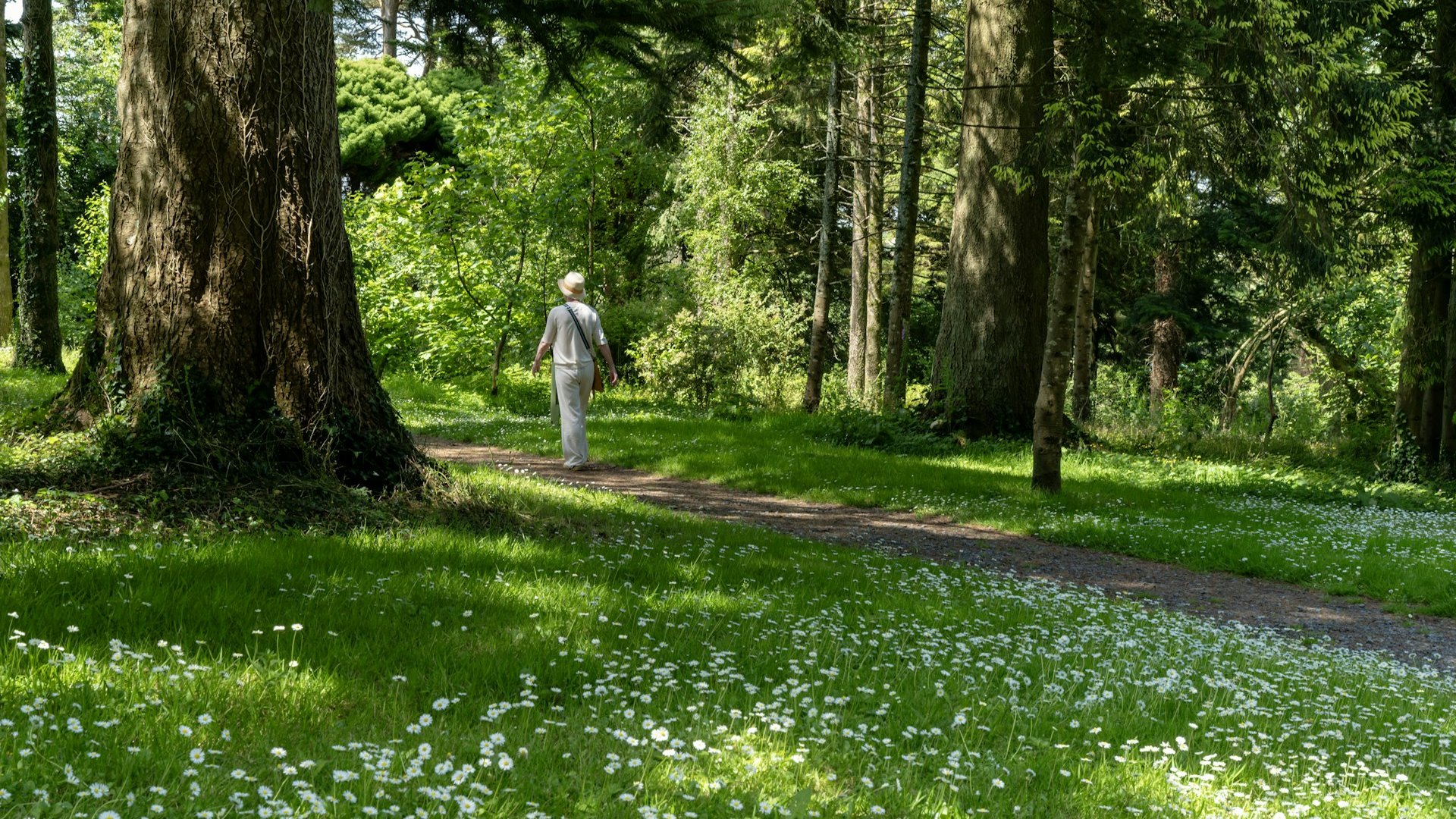
Getting daylight early in the day and moving regularly are two of the simplest energy habits. A short walk outside in the morning combines both. Even on cloudy days, outdoor light is usually much brighter than indoor lighting, which is why time outside may matter even when the sun is not shining.
Movement does not need to be intense. In the trials included in the meta-analysis of exercise and fatigue, many programs involved moderate activity such as walking or cycling [5]. Starting with short walks and gradually building up may be more realistic than an intense program when you already feel tired.
- Take a 10-minute walk outside within a couple of hours of waking.
- Stand up and move for a few minutes every hour.
- Choose stairs or walk part of your commute.
- Add two or three short exercise sessions per week.
The [Walk outside](https://ultiself.com/habits/walk-outside) and [Exercise](https://ultiself.com/habits/exercise) habits support this step. If you have a health condition or have been inactive for a long time, check with a doctor before starting a new exercise program. Many people find that a gentle start may make it easier to keep going.
Manage energy drains during the day
Once sleep, light and movement are in place, it can help to look at drains during the day. Moving caffeine earlier, taking short breaks from screens and drinking water regularly are small changes that some people find helpful. Short naps can help some people, but long or late naps may make it harder to sleep at night.
Mental rest matters as well as physical rest. Stepping away from work for a few minutes, spending time outside or talking to someone can provide a break from constant demands. Planning the day so that demanding tasks fall at times when you feel most alert may also make tiredness easier to manage.
| Drain | Possible adjustment |
|---|---|
| Coffee late in the day | Move caffeine to the morning or early afternoon |
| Long screen sessions | Take a short break every hour |
| Afternoon slump | A short walk or a brief nap of under 30 minutes |
| Back-to-back meetings | Leave short gaps between them when possible |
The [Take nap](https://ultiself.com/habits/take-nap) and [Hydrate](https://ultiself.com/habits/hydrate) habits can help with daytime energy. Our guide on [how to have more energy](https://ultiself.com/blog/how-to-have-more-energy) covers more ideas for managing energy through the day. Small changes like these are easy to test for a week or two before deciding which to keep.
Give changes time and track what helps
Energy habits take time to show an effect. New daily habits took a median of 66 days to feel automatic in one study, with large differences between people [7]. If-then plans, which link a specific situation to a specific action, had a medium to large effect on reaching goals in a meta-analysis of 94 tests [8].
Tracking how you feel alongside your habits can help you see which changes make a difference for you. A simple energy rating from one to five each evening, noted next to your habits, can reveal patterns over a few weeks that are hard to notice from day to day.
| Situation | If-then plan |
|---|---|
| Morning | If I finish breakfast, I walk outside for 10 minutes |
| Afternoon | If it is after 2 pm, I choose decaffeinated drinks |
| Work | If I have worked for an hour, I stand up and move |
| Evening | If it is an hour before bed, I put my phone away |
Our guide on [how long it takes to build a habit](https://ultiself.com/blog/how-long-does-it-take-to-build-a-habit) explains how routines become automatic. If tiredness continues despite several weeks of steady habits, that is a useful signal to seek a medical assessment. Patience matters here, because the effects of better sleep and activity often build gradually.
Common questions
Why am I always tired even after sleeping?
Common reasons include not getting enough sleep over time, irregular sleep times, little daylight, low physical activity, late caffeine and stress. Medical conditions such as anemia, thyroid problems or sleep apnoea can also cause tiredness, so persistent fatigue is worth discussing with a doctor.
Can exercise help with tiredness?
A meta-analysis of 70 randomized trials found that regular exercise increased feelings of energy and reduced fatigue on average. Starting with gentle activity such as walking may be more realistic when you feel tired.
What is social jetlag?
Social jetlag is the gap between when your body clock would like you to sleep and when your schedule requires you to be awake. It often shows up as much later sleep times at weekends.
When should I see a doctor about tiredness?
See a doctor if tiredness lasts for several weeks, is getting worse, affects daily life or comes with other symptoms such as breathlessness, weight loss, loud snoring or low mood.
Does caffeine make tiredness worse?
Caffeine can help in the short term, but late caffeine may reduce sleep without you noticing. In one study, caffeine taken six hours before bed reduced total sleep time by more than an hour.
Sources
- Puetz TW. Physical activity and feelings of energy and fatigue: epidemiological evidence. Sports Medicine, 2006.
- Liu Y, Wheaton AG, Chapman DP, Cunningham TJ, Lu H, Croft JB. Prevalence of healthy sleep duration among adults: United States, 2014. Morbidity and Mortality Weekly Report, 2016.
- Roenneberg T, Allebrandt KV, Merrow M, Vetter C. Social jetlag and obesity. Current Biology, 2012.
- Burns AC, Saxena R, Vetter C, Phillips AJK, Lane JM, Cain SW. Time spent in outdoor light is associated with mood, sleep, and circadian rhythm-related outcomes. Journal of Affective Disorders, 2021.
- Puetz TW, O'Connor PJ, Dishman RK. Effects of chronic exercise on feelings of energy and fatigue: a quantitative synthesis. Psychological Bulletin, 2006.
- Drake C, Roehrs T, Shambroom J, Roth T. Caffeine effects on sleep taken 0, 3, or 6 hours before going to bed. Journal of Clinical Sleep Medicine, 2013.
- Lally P, van Jaarsveld CHM, Potts HWW, Wardle J. How are habits formed: modelling habit formation in the real world. European Journal of Social Psychology, 2010.
- Gollwitzer PM, Sheeran P. Implementation intentions and goal achievement: a meta-analysis of effects and processes. Advances in Experimental Social Psychology, 2006.