How much water you need depends on body size, activity, climate and health, so there is no single number for everyone. The European Food Safety Authority gives reference values of about 2 litres a day for women and 2.5 litres for men, including water from food. Simple habits, such as keeping water visible and drinking with meals, may make it easier to drink regularly.
How much water you may need
Advice about water intake is often simplified to a fixed number of glasses a day. In reality, needs vary between people and from day to day. Health organizations publish reference values based on typical intakes in healthy populations, which can help you understand roughly where you stand.
The sections below summarize European reference values, the factors that change how much you need and how food contributes to your total water intake. This background can help you set a realistic goal rather than following a rule that may not fit your situation.
What health organizations recommend
The European Food Safety Authority has set adequate intakes for total water of 2.0 litres a day for adult women and 2.5 litres a day for adult men [1]. These values refer to water from all sources, including drinking water, other beverages and food, under conditions of moderate temperature and moderate physical activity [1].
Total water is not the same as plain water. Tea, coffee, milk, soups and water-rich foods all contribute. As a rule of thumb, around 20 to 30 percent of the water people need comes from food [1]. This means the amount you need to drink is usually less than the total reference value.
| Group | EFSA adequate total water intake per day [1] |
|---|---|
| Adult women | 2.0 litres |
| Adult men | 2.5 litres |
| Pregnant women | About 0.3 litres more than non-pregnant women |
| Breastfeeding women | Higher, as advised by EFSA and health professionals |
These are reference values for healthy populations, not personal prescriptions. Your own needs may be higher or lower depending on your activity, environment and health, and a doctor can advise if you have a medical condition. They are best used as a rough guide rather than a strict daily target.
What affects how much water you need
Water needs change with circumstances. Hot weather, physical activity and illness with fever, vomiting or diarrhea can all increase fluid losses. Body size, age and pregnancy also play a role. This is why a fixed daily target may be too little on some days and more than needed on others.
Paying attention to your body and situation can help you adjust. On hot days or after exercise, you may need to drink more than usual. On cooler, quieter days, your usual intake may be enough. The table lists common factors.
| Factor | How it may affect water needs |
|---|---|
| Hot or humid weather | More water lost through sweat |
| Physical activity | More fluid needed before, during and after |
| Illness with fever or vomiting | Higher fluid losses |
| Pregnancy and breastfeeding | Higher needs |
| Older age | Thirst may be less noticeable |
| Some medical conditions | Specific advice from a doctor may apply |
People with certain health conditions, such as heart or kidney problems, may be advised to limit fluids. In these cases, a doctor's advice should take priority over general guidance. If you are unsure, it is worth asking your doctor what amount is right for you.
How food contributes to hydration
Many foods contain a lot of water. Fruit and vegetables such as cucumbers, tomatoes, melons, oranges and berries are especially water-rich. Soups, yogurt and cooked grains also add to your total water intake. Eating a variety of these foods can support hydration alongside drinks.
This can be useful for people who find it hard to drink plain water. Including more water-rich foods in meals and snacks may help, especially on hot days. The list shows examples. It can also add variety and nutrients to your meals.
- Cucumber, lettuce and tomatoes in salads and sandwiches.
- Fresh fruit such as watermelon, oranges and berries.
- Soups and stews as part of meals.
- Yogurt and other dairy or plant-based alternatives.
- Herbal teas served warm or cold.
The [Eat healthy](https://ultiself.com/habits/eat-healthy) habit supports meals with plenty of fruit and vegetables, which can contribute to hydration as well as overall nutrition. Adding a piece of fruit to breakfast or a side salad to lunch are easy ways to start. These small additions can support hydration without needing to think about drinks at all.
Why staying hydrated matters for how you feel
Water is involved in many processes in the body, including regulating temperature and transporting nutrients. Even when dehydration is mild, it may affect how you feel during the day. Understanding these effects can make drinking regularly feel more worthwhile.
The sections below look at how mild dehydration may affect mood and energy, the signs that you may need to drink more and common myths about hydration. Knowing what research does and does not show can help you avoid both drinking too little and worrying unnecessarily.
How mild dehydration may affect mood and energy
Studies suggest that even mild dehydration can affect how people feel. In a study of healthy young women, mild dehydration was linked with worse mood, lower concentration and headache symptoms, and made tasks feel more difficult [2]. In another study, 24 hours without fluids was linked with lower alertness and more sleepiness and fatigue in healthy women [3].
These studies involved deliberate dehydration under controlled conditions, which is more than most people experience in daily life. Still, they suggest that drinking regularly may help some people feel more alert and comfortable through the day. They are best seen as a reason to drink regularly rather than a cause for worry.
| What studies observed | Study details |
|---|---|
| Worse mood, lower concentration and headaches | Mild dehydration in healthy young women [2] |
| Lower alertness and more sleepiness and fatigue | 24 hours without fluids in healthy women [3] |
Effects vary between people, and many other factors affect energy and mood. Drinking water is one simple habit among several that may support how you feel, alongside sleep, food and activity. Noticing how you feel on days when you drink more or less may help you find what works for you.
Signs that you may need to drink more
Thirst is the body's main signal that it needs fluid, but some people notice it late or ignore it when busy. Other signs can also suggest that you may need to drink more. Learning to notice them can help you respond earlier.
Urine color is a commonly used practical guide. Pale yellow urine usually suggests good hydration, while dark yellow urine may suggest you need to drink more. Some foods, vitamins and medicines can change urine color, so this is a rough guide rather than an exact measure.
- Feeling thirsty or having a dry mouth.
- Dark yellow urine or urinating less often.
- Feeling tired or having a headache.
- Difficulty concentrating.
- Feeling dizzy or lightheaded, especially in hot weather.
If you have symptoms such as severe dizziness, confusion, very dark urine or no urine for many hours, especially during illness or heat, seek medical help promptly. These may be signs of more serious dehydration. Young children and older adults may be more vulnerable to dehydration and may need extra attention.
Common myths about drinking water
Hydration advice is often surrounded by myths. One common idea is that tea and coffee do not count towards fluid intake. In moderate amounts, these drinks do contribute to total water intake, although it is wise to be mindful of caffeine, especially later in the day.
Another myth is that more water is always better. Drinking very large amounts in a short time can be harmful in rare cases, especially during long endurance events. For most people, drinking regularly in response to thirst and circumstances is a sensible approach. The table summarizes common myths.
| Myth | What is more accurate |
|---|---|
| Only plain water counts | Other drinks and food also contribute [1] |
| Everyone needs exactly 8 glasses | Needs vary with person and situation |
| More water is always better | Very large amounts in a short time can be harmful |
| Thirst means you are already very dehydrated | Thirst is a normal early signal to drink |
Understanding these points can help you find a balanced approach. The aim is regular, comfortable drinking rather than forcing large amounts. Listening to your body and adjusting to the day is usually enough for most healthy adults. On hot or active days, it may help to drink a little more than usual.
How to drink more water through the day
For many people, the challenge is not knowing they should drink water but remembering to do it. The habits below focus on making water easy to reach, linking drinks to existing routines and finding drinks you enjoy. Small changes can add up over the day.
Each habit connects with a related habit page you can add to your routine. The table shows how each step links to a habit, so that drinking water becomes part of your day rather than something you have to keep remembering.
| Step | What it changes | Habit to practice |
|---|---|---|
| Keep water within reach | Easy access during the day | [Hydrate](https://ultiself.com/habits/hydrate) |
| Start the day with water | A regular first drink | [Drink water with lemon](https://ultiself.com/habits/drink-water-with-lemon) |
| Add flavor naturally | More enjoyable drinks | [Water with lime](https://ultiself.com/habits/water-with-lime) |
| Choose herbal teas | Warm, caffeine-free options | [Drink chamomile tea](https://ultiself.com/habits/drink-chamomile-tea) |
| Swap sweet drinks | Less added sugar | [Minimize sugar consumption](https://ultiself.com/habits/minimize-sugar-consumption) |
Keep water within reach
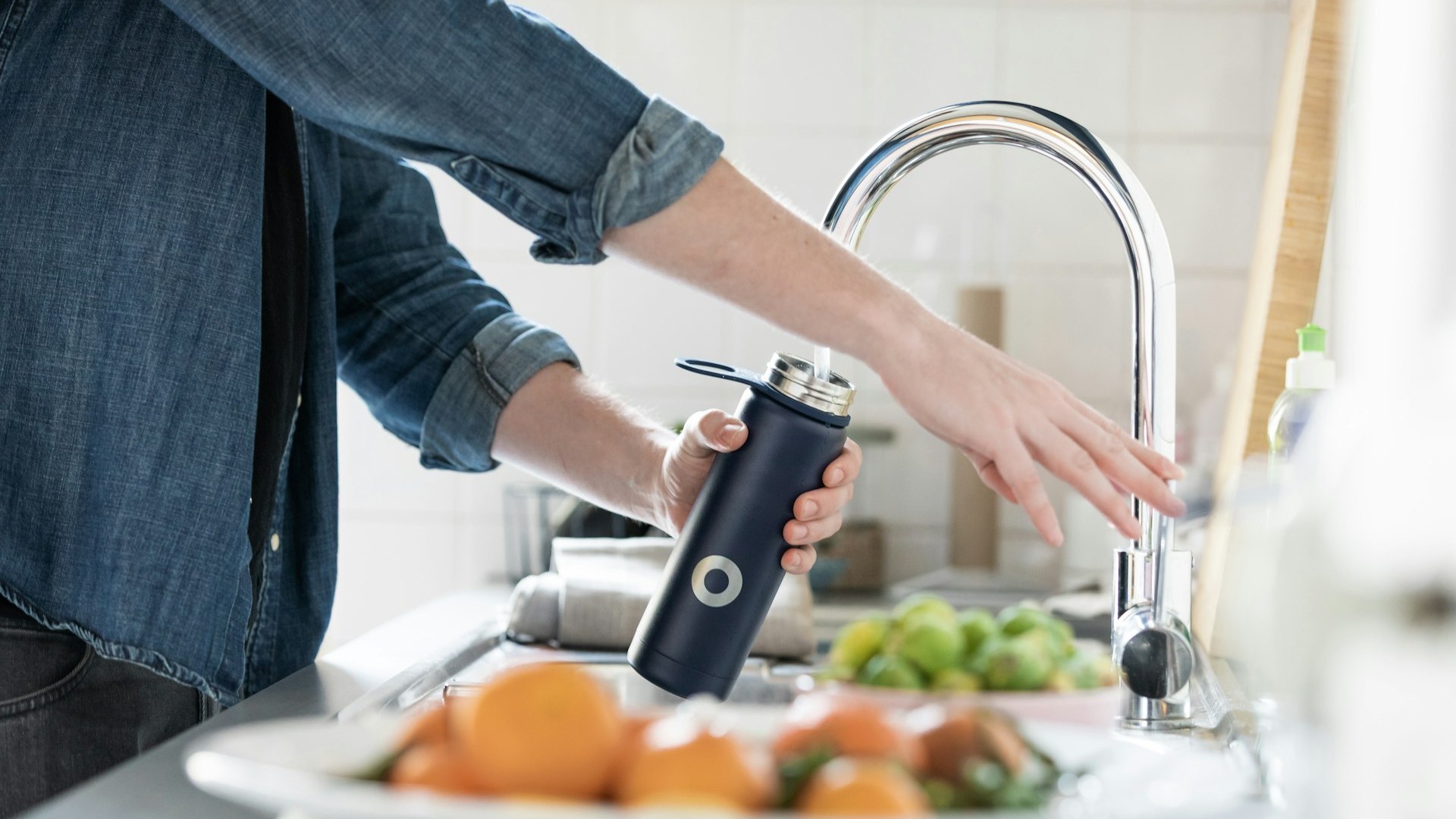
Having water nearby is one of the simplest ways to drink more. A refillable bottle on your desk, in your bag or in the car makes it easy to take a sip without interrupting what you are doing. Many people find that they drink more simply because water is visible.
Choosing a bottle or glass you like may also help. Some people prefer a bottle with measurement marks so they can see how much they have had. Refilling it at set times, such as after each meeting or at lunch, can create a natural rhythm.
| Place | How to keep water nearby |
|---|---|
| Desk | A refillable bottle or glass in view |
| Bag | A small bottle for travel and errands |
| Car | A bottle for longer journeys |
| Kitchen | A jug of water on the table during meals |
| Bedside | A glass of water for the morning |
The [Hydrate](https://ultiself.com/habits/hydrate) habit gives you a simple reminder to drink through the day. Tracking it for a few weeks may show how much your intake changes when water is always nearby. Over time, reaching for the bottle may become an automatic part of your day.
Link drinks to moments you already have
Linking water to existing routines can make drinking more automatic. For example, you might drink a glass of water after waking up, with each meal, during each work break and after exercise. These moments act as cues that remind you without needing alarms.
Starting the day with water is a popular habit. After a night without fluids, a glass of water in the morning can be a simple way to begin. Adding a slice of lemon or lime may make it more appealing for some people.
- Drink a glass of water after waking up.
- Have water with breakfast, lunch and dinner.
- Take a few sips during each break.
- Drink before, during and after exercise.
- Keep a glass nearby in the evening, but avoid large amounts right before bed if they wake you at night.
The [Drink water with lemon](https://ultiself.com/habits/drink-water-with-lemon) habit can be a pleasant way to start the day. Our guide on [how long it takes to build a habit](https://ultiself.com/blog/how-long-does-it-take-to-build-a-habit) explains how linking actions to cues helps them become routine. Over a few weeks, these cues may make drinking water feel like a natural part of the day.
Make water more enjoyable
Some people find plain water boring, which can make it harder to drink regularly. Adding natural flavors, such as citrus slices, cucumber, mint or berries, can make water more appealing without adding much sugar. Sparkling water is another option for those who enjoy bubbles.
Herbal teas, served hot or cold, also count towards fluid intake and offer variety. Choosing caffeine-free options in the afternoon and evening may be helpful for sleep. The list gives ideas for adding variety. Trying a few options can help you find drinks you genuinely enjoy.
- Water with slices of lemon, lime or orange.
- Water with cucumber and mint.
- Sparkling water with a few berries.
- Cold herbal tea, such as peppermint or rooibos.
- Warm chamomile tea in the evening.
The [Water with lime](https://ultiself.com/habits/water-with-lime) and [Drink chamomile tea](https://ultiself.com/habits/drink-chamomile-tea) habits offer simple ways to add variety. People with acid reflux or sensitive teeth may want to be cautious with frequent acidic drinks. Rinsing with plain water after acidic drinks may be gentler on teeth.
Swap sugary drinks for water
Sweetened drinks, such as soft drinks and some juices, add fluid but also added sugars. The World Health Organization recommends limiting free sugars, which include sugars in sweetened drinks and fruit juices [4]. Swapping some of these drinks for water or unsweetened alternatives is one way to drink more water and less sugar at the same time.
Changing a habit like this can be easier if done gradually. For example, you might replace one sweet drink a day with sparkling water, or dilute juice with water. Over time, many people find their taste preferences shift.
| Instead of | Try |
|---|---|
| Soft drinks | Sparkling water with citrus |
| Sweetened iced tea | Unsweetened iced herbal tea |
| Fruit juice with every meal | Water with a slice of fruit |
| Energy drinks | Water and a short walk outside |
The [Minimize sugar consumption](https://ultiself.com/habits/minimize-sugar-consumption) habit helps you track this change. You can follow these habits in the Ultiself app, where each one sits in your daily routine. Making one swap at a time can make the change feel easier to keep.
When to talk to a doctor about fluids
General hydration advice suits most healthy adults, but some people need specific guidance. Certain health conditions and medicines affect how the body handles fluids, and a doctor may recommend limiting or increasing intake. In these situations, personal medical advice is important.
It is also worth talking to a doctor if you are often very thirsty, even when drinking a lot, or if you notice other unusual symptoms. The list shows situations in which professional advice is a sensible step.
- You have heart, kidney or liver problems.
- You take medicines that affect fluid balance, such as diuretics.
- You feel very thirsty all the time or urinate much more than usual.
- You are pregnant or breastfeeding and unsure about your needs.
- You have frequent headaches, dizziness or dark urine despite drinking.
The habits in this guide can sit alongside professional advice, and a doctor can help you decide what is right for you. They are not a substitute for medical care when a health condition is involved. Your doctor's advice should always take priority over general guidance.
Common questions
How much water should I drink a day?
European reference values suggest adequate total water intakes of about 2.0 litres a day for adult women and 2.5 litres for men, including water from food and all drinks. Individual needs vary.
Do tea and coffee count towards water intake?
In moderate amounts, tea and coffee contribute to total fluid intake. It is sensible to be mindful of caffeine, especially later in the day.
How can I tell if I am drinking enough water?
Pale yellow urine and not feeling thirsty are common signs of good hydration. Dark urine, thirst, headaches or tiredness may suggest you need to drink more.
What is the easiest way to drink more water?
Keeping a bottle within reach, linking drinks to daily moments such as meals and breaks and adding natural flavors can make drinking water easier.
Can you drink too much water?
Drinking very large amounts in a short time can be harmful in rare cases. For most people, drinking regularly in response to thirst and circumstances is a sensible approach.
Sources
- European Food Safety Authority Panel on Dietetic Products, Nutrition and Allergies. Scientific opinion on dietary reference values for water. EFSA Journal, 2010.
- Armstrong LE, Ganio MS, Casa DJ, et al. Mild dehydration affects mood in healthy young women. Journal of Nutrition, 2012.
- Pross N, Demazières A, Girard N, et al. Influence of progressive fluid restriction on mood and physiological markers of dehydration in women. British Journal of Nutrition, 2013.
- World Health Organization. Healthy diet. Fact sheet.