To be more productive, focus on the few tasks that matter most each day, work on them in focused blocks without distractions, take regular breaks and protect your sleep and energy. Being productive means getting meaningful things done, not filling every hour. Small, steady habits, such as planning tomorrow the night before and limiting notifications, usually help more than working longer.
What does being productive mean?
Being productive means making steady progress on the things that matter to you, at work and in life, with a reasonable amount of time and energy. It is not the same as being busy. A day full of meetings, messages and small tasks can feel productive while leaving important work untouched, while two focused hours on one key project can move things forward far more.
Productivity also depends on your goals. For one person it means finishing a report, for another it means studying, keeping a home running or building a side project. The common thread is choosing what matters, giving it focused attention and keeping enough energy to do it again tomorrow. Our guide on [how to set goals](https://ultiself.com/blog/how-to-set-goals) helps define what productive should mean for you.
Why working longer rarely helps
Many people try to get more done by working longer hours, but output does not rise in step with time. In an analysis of historical factory data, economist John Pencavel found that output per hour fell sharply once weekly hours went above about 50, and extra hours beyond that added little [1]. Knowledge work is different from factory work, but tiredness affects concentration and decision making in similar ways.
Sleep loss is a clear example. A meta-analysis by June Lim and David Dinges found that short-term sleep deprivation impaired attention and working memory, two abilities that most productive work depends on [2]. Protecting rest is therefore part of productivity, not a break from it.
How to be productive: 12 habits
The twelve habits below cover the main parts of productivity: deciding what to work on, protecting attention while you do it and keeping enough energy over time. You do not need all twelve at once. Most people get the biggest gains from two or three habits, such as choosing daily priorities and working in focused blocks.
Pick the habits that address your biggest problem, rather than the ones that sound most impressive. If you start many tasks and finish few, focus on prioritizing. If you are constantly interrupted, focus on attention. If you are always tired, start with sleep and breaks.
Habits for choosing what to work on
- Choose one to three top priorities for each day, ideally the evening before. Our guide on [how to prioritize tasks](https://ultiself.com/blog/how-to-prioritize-tasks) compares simple methods for this.
- Start the day with your most important task before checking email or messages, when your work allows it.
- Break large projects into small, concrete next steps, so you always know where to start.
- Review your week every Friday or Sunday to check progress and plan the next week.
Habits for protecting attention
- Work in focused blocks of 25 to 90 minutes with notifications off and your phone out of reach. Our guide on [what is deep work](https://ultiself.com/blog/what-is-deep-work) explains how to schedule longer sessions.
- Batch similar small tasks, such as email, calls and errands, into set times instead of doing them all day.
- Finish one task block before switching to another, because switching leaves part of your attention on the previous task [3].
- Keep a notepad nearby to capture distracting thoughts and ideas without acting on them immediately.
Habits for keeping your energy
- Keep a regular sleep schedule, aiming for enough sleep to feel rested most days.
- Take short breaks between focused blocks. A meta-analysis found that micro-breaks of ten minutes or less were linked with less fatigue and more vigor [4].
- Move during the day, even a short walk, especially after long periods of sitting.
- Set a clear end to your workday so rest is protected and you return fresh tomorrow.
The habits connect to each other. Better sleep makes focus easier, focused work leaves more time for rest, and clear priorities make both more effective. That is why small improvements in several areas often add up to a bigger change than one dramatic new system.
| Habit | What it may improve |
|---|---|
| Daily top three priorities | Clarity about what matters each day |
| Focused, phone-free blocks | Quality and speed on demanding work |
| Batching small tasks | Fewer interruptions and less switching |
| Weekly review | Steady progress on bigger goals |
| Regular breaks | Less fatigue later in the day [4] |
| Consistent sleep | Attention and memory [2] |
These effects build slowly. Expect the first week of a new habit to feel awkward and the benefits to become clearer after several weeks of repetition, which is why tracking a few habits consistently tends to beat trying every new technique you read about.
Common productivity myths
One popular myth is that multitasking saves time. In reality, switching between demanding tasks usually slows people down and increases mistakes, because attention needs time to move from one task to another. Doing one thing at a time, in focused blocks, is generally faster for anything that requires real thought.
Another myth is that productive people never procrastinate or feel unmotivated. Most people struggle with both at times. The difference is that productive people rely on routines, plans and small first steps rather than waiting to feel motivated. A third myth is that more tools mean more productivity. A simple list and a calendar used consistently usually beat a complex system that takes time to maintain.
- Multitasking rarely saves time on demanding work.
- Waiting for motivation is less reliable than a routine.
- Working longer hours does not reliably mean doing more.
- More apps and systems often add work rather than remove it.
How to be productive at home
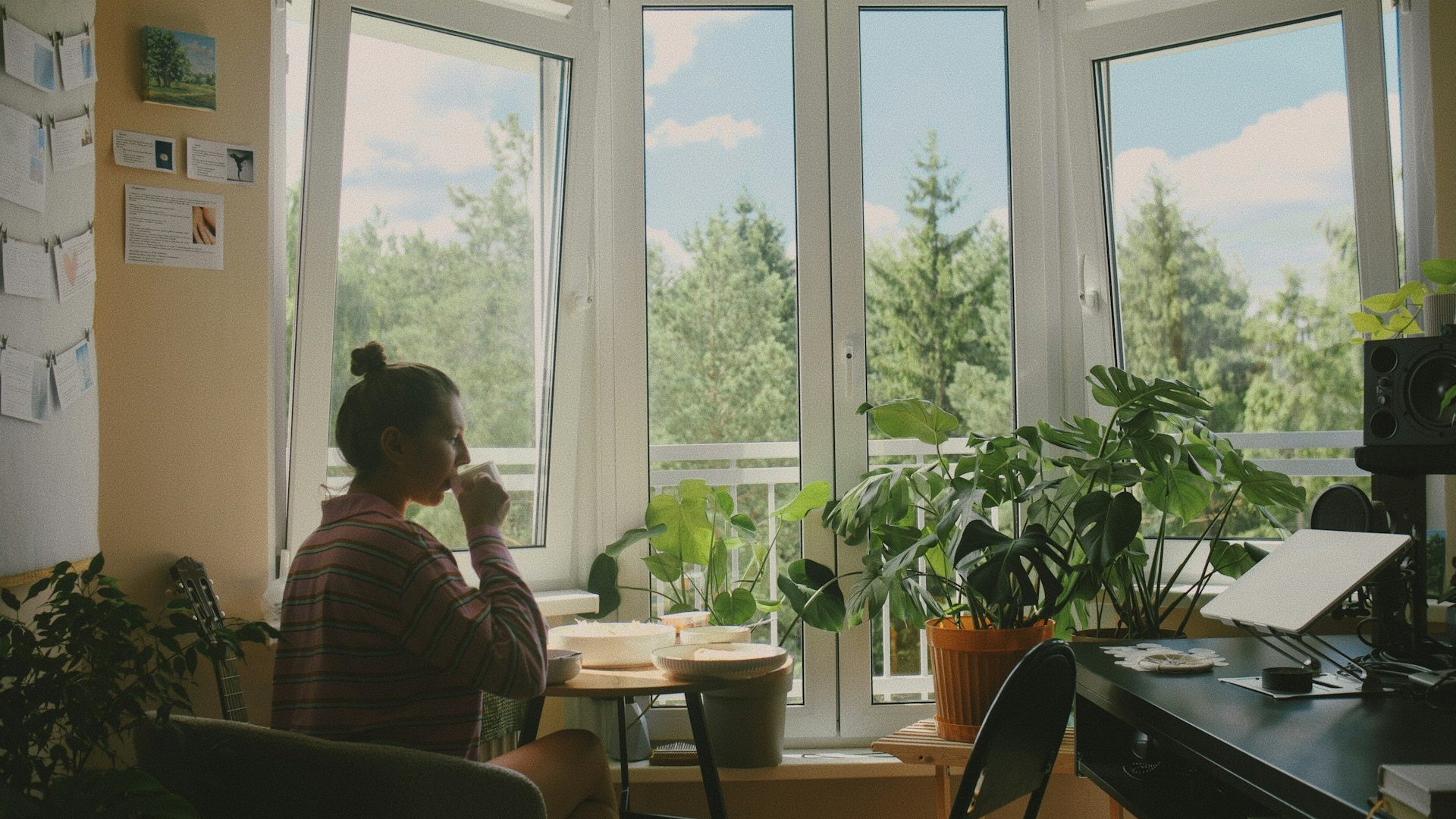
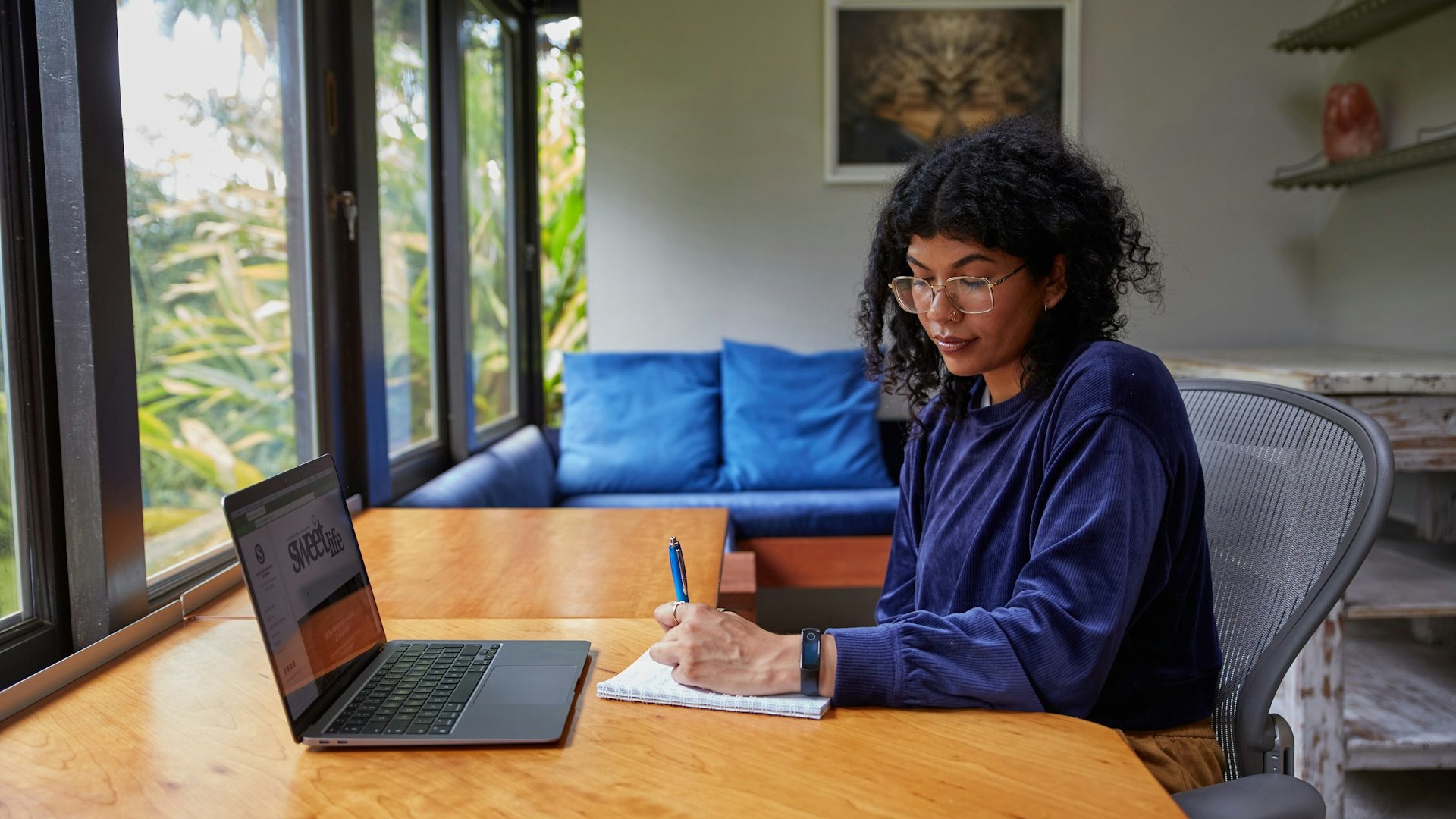
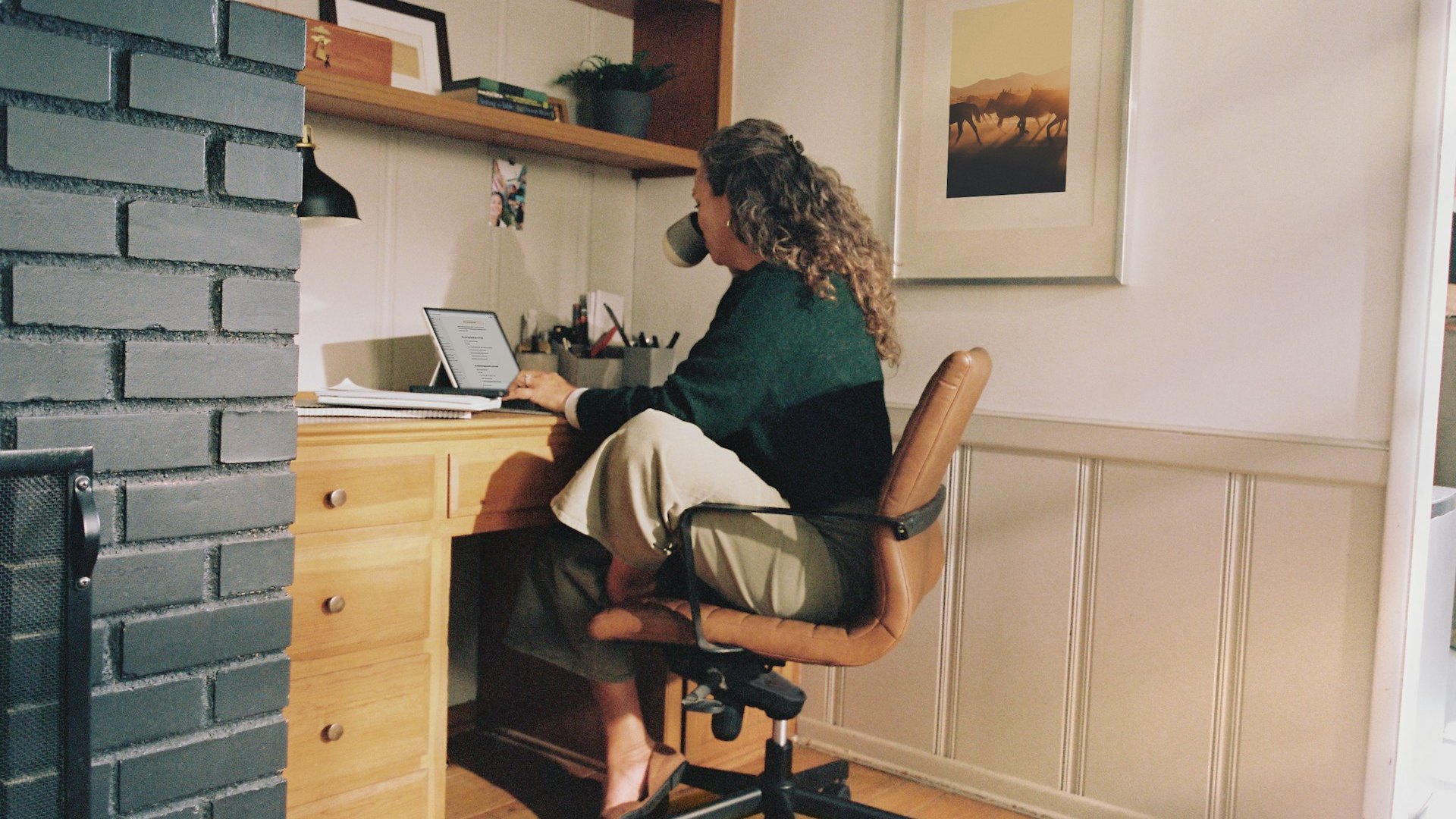
Working or studying at home brings extra challenges, from household chores to the lack of a clear line between work and rest. A dedicated workspace, even a corner of a table, helps your brain link that place with focus. Getting dressed and starting at a consistent time each day creates a sense of routine that the commute used to provide, and it signals to others at home that work has begun.
Clear boundaries make home productivity sustainable. Decide when your workday starts and ends, and use a short ritual, such as closing the laptop and taking a walk, to switch off. Tell people you live with when you need quiet time, and keep household tasks for breaks or after work rather than mixing them into focused blocks.
- Set up a dedicated workspace, however small.
- Start and finish work at consistent times.
- Use breaks for movement or quick chores.
- Keep your phone in another room during focused work.
- End the day with a short shutdown ritual.
Productive things to do when you're bored
Boredom can be a useful signal that you have time and energy to spare. Instead of reaching for your phone, you can use those moments for small tasks that make life easier later or for activities that recharge you. The best choice depends on how much energy you have and how much time is available.
Short moments suit quick tasks, while a free afternoon can go toward learning or a hobby. Even ten minutes is enough to clear a small backlog or make progress on something you care about. Keeping a short list of these ideas on your phone or fridge means you can pick one quickly, instead of defaulting to scrolling.
- Tidy one drawer, shelf or folder on your computer.
- Plan meals for the week and write a shopping list.
- Read a few chapters of a book.
- Learn something new with a short online lesson.
- Go for a walk or do a short workout.
- Call or message a friend you have not spoken to in a while.
- Write in a journal or plan your goals for the month.
- Prepare clothes, bags and lunch for tomorrow.
- Start a small creative project, such as drawing or cooking a new recipe.
- Review your finances or subscriptions.
How to stay productive without burning out
Sustainable productivity means getting important things done without draining yourself. Pushing hard for weeks without rest often leads to exhaustion, lower motivation and mistakes, which cost more time than they save. Building rest into your schedule is one of the most practical ways to protect productivity over months rather than days. Rest is not a reward for finishing everything, because the list never truly ends.
Watch for signs that your pace is not sustainable, such as constant tiredness, difficulty switching off, irritability or losing interest in work you usually enjoy. When these appear, cut back where you can, protect sleep and talk to your manager about workload if needed. Our guide on [how to have more energy](https://ultiself.com/blog/how-to-have-more-energy) covers daily habits that support steady energy.
- Plan rest as deliberately as work.
- Keep at least one evening or day a week free from work.
- Lower your standard on tasks that do not need perfection.
- Notice early signs of exhaustion and act on them.
- Talk about workload before it becomes overwhelming.
How to be more productive step by step
Productivity improves most when good habits become routine. Each step in this plan connects to a habit, so you can practice it daily, track your progress and build a system that works without constant willpower.
Start with planning your top tasks and one focused block a day. Once those feel natural, add breaks, a weekly review and the habits that protect your energy. Our guides on [how to improve focus](https://ultiself.com/blog/how-to-improve-focus) and [how to stop procrastinating](https://ultiself.com/blog/how-to-stop-procrastinating) go deeper on two of the most common challenges.
| Step | Why it may help | Habit to practice |
|---|---|---|
| Choose tomorrow's top tasks the evening before | Starts the day with clear priorities | [Create 3 critical tasks for tomorrow](https://ultiself.com/habits/create-3-critical-tasks-for-tomorrow) |
| Work in focused timed blocks | Protects attention for important work | [Focus timer](https://ultiself.com/habits/pomodoro-technique) |
| Batch small tasks | Reduces switching and interruptions [3] | [Batch your tasks](https://ultiself.com/habits/batch-your-tasks) |
| Take regular short breaks | Linked with less fatigue [4] | [Regular breaks](https://ultiself.com/habits/regular-breaks) |
| Review your week | Keeps daily work connected to goals | [Weekly review and reflection](https://ultiself.com/habits/weekly-review-reflection) |
| Keep a steady sleep schedule | Supports attention and memory [2] | [Sleep between 6-8 hours per night](https://ultiself.com/habits/sleep-between-6-8-per-night) |
With Ultiself, you can build these habits into a daily routine and see how they relate to your energy and focus, which shows which changes make the biggest difference for you. Reviewing that record once a week is itself one of the most useful productivity habits.
Common questions
How can I be more productive?
Choose one to three priorities each day, work on them in focused blocks without distractions, batch small tasks, take regular breaks and protect your sleep. Small, consistent habits usually help more than working longer hours.
What does being productive mean?
Being productive means making steady progress on the things that matter to you with a reasonable amount of time and energy. It is about meaningful results, not about being busy.
How can I be productive at home?
Set up a dedicated workspace, keep consistent start and finish times, keep your phone in another room during focused work and use a short ritual to end the workday.
What are productive things to do when bored?
You can tidy a small space, plan meals, read, learn something new, exercise, call a friend, journal, prepare for tomorrow or start a small creative project.
How do I stay productive without burning out?
Plan rest as carefully as work, keep regular time off, lower standards on less important tasks, watch for signs of exhaustion and talk about workload early.
Sources
- Pencavel J. The productivity of working hours. The Economic Journal, 2015.
- Lim J, Dinges DF. A meta-analysis of the impact of short-term sleep deprivation on cognitive variables. Psychological Bulletin, 2010.
- Leroy S. Why is it so hard to do my work? The challenge of attention residue when switching between work tasks. Organizational Behavior and Human Decision Processes, 2009.
- Albulescu P, Macsinga I, Rusu A, et al. Give me a break! A systematic review and meta-analysis on the efficacy of micro-breaks for increasing well-being and performance. PLOS ONE, 2022.